


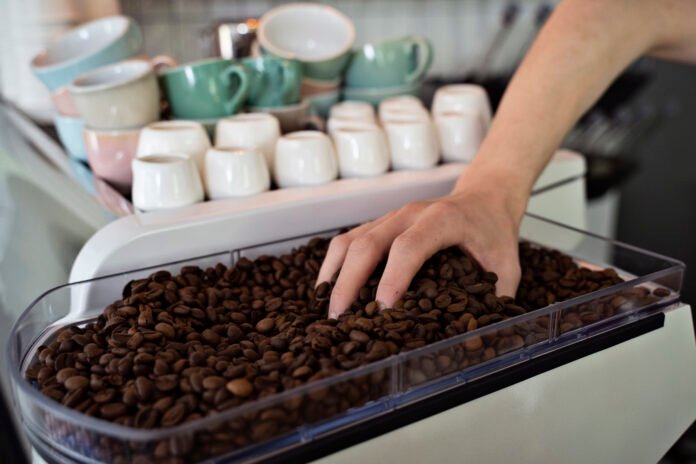
Coffee is a highly delicate agricultural product that requires careful handling long after the roasting process is complete. Once beans are roasted, they immediately begin to release carbon dioxide and interact with their surrounding environment. If left unprotected, the complex oils and chemical compounds that give coffee its distinct tasting notes will rapidly degrade, resulting in a flat, stale, and uninspiring cup. Understanding how to properly protect your inventory is crucial for preserving the integrity of the roast and delivering the best possible product to the consumer. Here are ten practical tips for professional coffee bean storage to help you maintain optimal freshness.
1. Eliminate Oxygen Exposure
Air is one of the biggest threats to roasted coffee. When beans are exposed to oxygen, they undergo oxidation, a process that breaks down the delicate oils and aromatics responsible for the coffee’s flavor profile. To prevent this rapid degradation, beans should be stored in environments that limit air contact as much as possible. Using vacuum-sealed containers or bags with one-way degassing valves allows the natural carbon dioxide to escape without letting damaging oxygen in.
2. Shield Beans from Direct Sunlight
Ultraviolet light drastically accelerates the staling process of coffee beans. When left out in transparent glass or plastic jars on a sunny counter, the UV rays break down the chemical structures within the beans, leading to a noticeable loss of flavor. Always store your coffee in a dark environment, such as a closed pantry or a dedicated storage cabinet, to ensure the structural integrity of the beans remains intact.
3. Maintain Cool, Stable Temperatures
Heat is another primary catalyst for flavor loss. High temperatures cause the natural oils within the coffee beans to rise to the surface and evaporate much faster than they would in a cool environment. It is highly recommended to store coffee beans in a climate-controlled room that remains consistently cool, ideally between 50 and 70 degrees Fahrenheit. Keep storage areas away from ovens, espresso machines, and direct heating vents.
4. Avoid the Refrigerator and Freezer
A common misconception is that freezing or refrigerating coffee will extend its shelf life. In reality, the fluctuating temperatures and high humidity levels inside a refrigerator create condensation. Because coffee beans are highly porous, they easily absorb this excess moisture, which can ruin the roast and introduce unwanted musty flavors. Room-temperature storage is always the superior choice for daily use.
5. Invest in Opaque, Airtight Containers
If you are transferring coffee out of its original packaging, the vessel you choose matters immensely. Opt for opaque, airtight containers made of ceramic, stainless steel, or dark-tinted glass. These materials provide an excellent barrier against both light and air. Ensure the lid has a high-quality silicone gasket to create a true airtight seal, keeping the internal environment perfectly stabilized.
6. Store Beans Whole, Not Ground
The moment coffee is ground, its surface area increases exponentially, which accelerates the oxidation process. Ground coffee loses its peak flavor within a matter of minutes to hours, whereas whole beans can retain their freshness for several weeks. To maintain the highest quality standards, always store your coffee as whole beans and only grind the exact amount needed immediately before brewing.
7. Implement a Strict FIFO System
For professional environments managing larger volumes of coffee, inventory rotation is critical. Employing a First-In, First-Out (FIFO) system ensures that older batches of roasted coffee are used before newer deliveries. Always check the roast dates clearly printed on the packaging and organize your storage shelves so that the oldest beans are positioned at the front for immediate use.
8. Utilize Advanced Packaging Solutions
For commercial roasters and distributors, how the beans are initially packaged dictates their long-term viability. Many top-tier operations rely on vertical form fill seal packaging equipment to efficiently package their product. This machinery allows roasters to quickly form the bags, fill them with beans, flush the packaging with nitrogen to displace oxygen, and seal them securely, drastically extending the retail shelf life of the coffee.
9. Divide Inventory into Smaller Batches
Continuously opening and closing a massive container of coffee exposes the entire batch to fresh oxygen and moisture every single time. Instead of keeping all your beans in one large bin, divide your inventory into smaller, tightly sealed batches. This ensures that the bulk of your coffee remains completely undisturbed and protected from the elements until you are actually ready to consume it.
10. Keep Away from Strong Odors
Because roasted coffee beans are highly absorbent, they will act like a sponge for any strong scents in their immediate vicinity. Storing your coffee next to pungent spices, garlic, onions, or strong cleaning chemicals will eventually result in those flavors migrating into your beans. Always dedicate a specific, isolated zone strictly for coffee storage to keep the flavor profile pure and untainted.
Proper coffee bean storage requires attention to detail and an understanding of the environmental factors that cause degradation. By controlling light, heat, moisture, and oxygen, you can successfully preserve the rich, complex flavors of your coffee from the roaster all the way to the final extraction.