


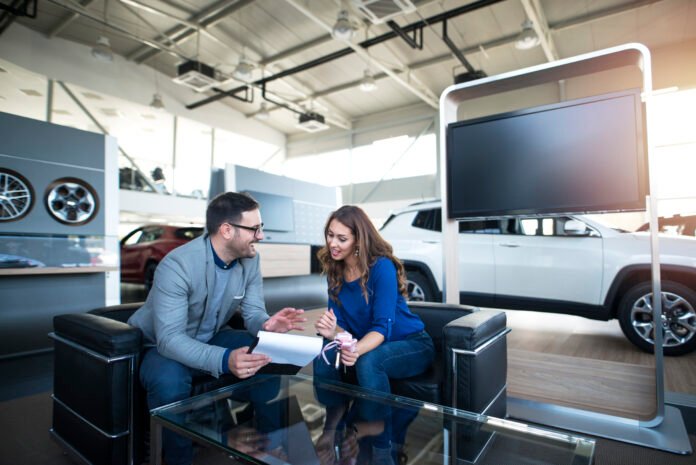
The automotive buying journey has fundamentally changed. Today’s car buyer spends an average of 14 hours researching online before stepping into a dealership. They’ve already narrowed their shortlist, compared trim levels, watched walkaround videos, and read owner reviews all before a single handshake with a sales rep.
For automotive brands and dealerships, this creates both a challenge and a powerful opportunity. The brands winning showroom traffic in 2026 aren’t the ones with the biggest physical footprint. They’re the ones with the strongest digital presence. They understand that the road to the showroom now runs through a screen.
Here’s how leading automotive brands are using digital strategy to convert online interest into in-person visits and what dealerships can learn from their playbook.
The Showroom Visit Starts Online
It’s tempting to think of digital and physical as separate channels. Most dealerships still operate that way running social ads to drive website traffic, then hoping walk-ins follow. That model is no longer sufficient.
The brands seeing real showroom growth treat digital not as a lead generation tool, but as a full customer journey engine. Every touchpoint from a Google search to a YouTube walkaround to a retargeting ad is designed to move a buyer closer to a physical visit. The question isn’t “how do we get clicks?” It’s “how do we make walking in feel like the natural next step?”
This shift in thinking is at the core of what separates high-performing car brand digital marketing strategies from average ones.
Local SEO: The Underestimated Showroom Driver
When a buyer types “Toyota dealer near me” or “best SUV deals in Houston,” they’re not browsing. They’re close to a decision. Ranking at the top of those results in Google Maps, local packs, and organic search is one of the highest-ROI investments an automotive brand can make.
Local SEO for dealerships involves more than just claiming a Google Business Profile. It requires consistent NAP (name, address, phone) data across directories, localized landing pages for each model and trim, geo-targeted keyword content, and a structured review generation strategy. Brands that invest here don’t just rank higher, they capture buyers at the exact moment intent is strongest.
This is where auto dealership marketing teams often have the biggest untapped advantage. Most competitors are running generic national campaigns while a hyper-local strategy can quietly dominate the markets that actually drive foot traffic.
Performance Marketing That Closes the Gap
Organic strategies build the foundation. Performance marketing accelerates the timeline.
The most effective automotive paid search campaigns in 2026 are built around intent layers not just demographics. That means targeting buyers who have spent time on competitor model pages, visited inventory listings, or abandoned a test drive booking form. These aren’t cold audiences. They’re buyers who have already raised their hands.
Retargeting these high-intent segments with dynamic ads showing the exact vehicle a buyer viewed, with current incentives and a “Schedule a Visit” CTA consistently produces significantly higher conversion rates than broad awareness campaigns.
The nuance is in the architecture. A great performance marketing campaign for a dealership isn’t one well-designed ad. It’s a sequenced system that moves a buyer from awareness to action across multiple touchpoints, across multiple platforms.
Video and Social: Building Desire Before the Test Drive
Automotive is one of the most naturally visual categories in marketing. Yet many dealerships treat their social media presence as a bulletin board for promotions rather than a channel for building desire.
The brands that do this well Porsche, Genesis, Rivian use social video not to sell, but to make buyers fall in love before they arrive. A 60-second interior walkthrough on Instagram Reels. A cinematic driving sequence on YouTube. A “day in the life with the [Model X]” story that lets a buyer imagine ownership.
This content doesn’t need a massive production budget. It needs authenticity, consistency, and a clear understanding of what makes a buyer emotionally committed to a specific vehicle before they ever sit in the driver’s seat.
Industry resources like Highfy Magazine do an excellent job covering how automotive brands are evolving their creative strategies worth following if you’re looking to stay ahead of what’s resonating with buyers.
The Role of the Dealership Website as a Conversion Tool
Most dealership websites are digital brochures. They show inventory, list hours, and have a contact form. That’s the floor, not the ceiling.
High-performing automotive websites in 2026 function as conversion engines. They include interactive configurators that let buyers build and price their vehicle. They surface live inventory with real-time availability. They offer seamless test drive booking with instant confirmation. They have live chat or AI-powered assistants that can answer model-specific questions at 11pm.
Every one of these features reduces friction between online interest and a physical showroom visit. And every removed friction point meaningfully increases conversion rates.
Data Is the New Competitive Advantage
The automotive brands seeing the clearest ROI from digital marketing are the ones treating data as a strategic asset, not a reporting afterthought.
This means connecting CRM data to ad platforms for closed-loop attribution so a dealership knows which campaign influenced a vehicle sale, not just which campaign drove a website visit. It means using heat mapping and behavior analytics to understand where buyers drop off on the website. It means building lookalike audiences from existing buyers to find high-probability new prospects.
When digital marketing decisions are anchored to real buyer behavior data not assumptions the efficiency of every campaign compounds.
Conclusion
The showroom isn’t dying. It’s just moved further down a digital path than it used to be.
Automotive brands that understand this are investing in digital not as a separate channel, but as the primary engine that feeds everything else — showroom traffic, test drive bookings, and ultimately sales. The opportunity for dealerships that get this right is significant, because the majority of competitors are still treating digital as an afterthought.
Centric work with automotive OEMs and dealerships to build the kind of integrated digital strategies that make this happen — from local SEO and performance marketing to conversion-optimized web experiences and data attribution. If your showroom traffic isn’t reflecting the strength of your brand, the gap is almost certainly digital. And that’s a gap that can be closed.