


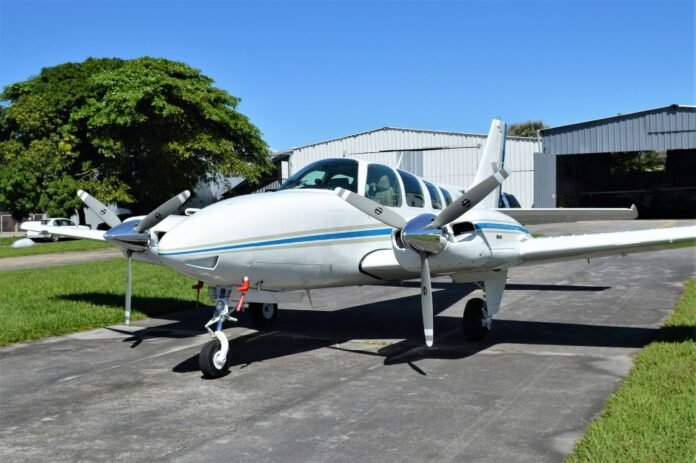
Maintaining and repairing an aircraft requires precision, awareness, and respect for the processes that keep both technicians and pilots safe. Whether you are addressing routine upkeep or tackling more advanced mechanical tasks, approaching every job with a disciplined mindset is essential. Safe work practices not only protect you and your team but also support the long‑term reliability and performance of the aircraft itself. The following three steps outline foundational approaches that can help create a secure, efficient environment when working on any aircraft platform.
Prepare Your Workspace with Intentional Planning
A safe maintenance process begins long before the first tool is picked up. Proper preparation helps eliminate unnecessary hazards and ensures that you have everything needed to complete the task efficiently. Start by ensuring your work area is clean, well lit, and free from anything that could interfere with movement around the aircraft. Clear walkways, remove loose items, and verify that surfaces are dry to avoid slips and falls.
Equally important is having all required tools and protective equipment readily available. Missing equipment can tempt technicians to improvise, which increases risk. Before beginning the job, review the task at hand and identify potential challenges. Consider whether the aircraft will require external support equipment or specialized components. If so, confirm their condition and positioning in advance. Being thoughtful during this phase reduces the chance of surprise obstacles that could compromise safety or stall progress once work is underway.
Secure the Aircraft with Proper Support Equipment
Stability is one of the most critical factors during aircraft maintenance. Even minor adjustments to weight distribution can lead to sudden shifts if the aircraft is not properly supported. Always follow the maintenance manual or approved procedures to determine which support points are appropriate for the work you are performing.
When lifting or stabilizing various sections of the aircraft, technicians often rely on equipment such as a quality tripod jack to maintain balance during inspections or component removal. Using the right equipment ensures the aircraft remains at level and immobile throughout the procedure. Inspect every support device before using and verify that load ratings match the aircraft’s requirements. If you notice any damage or irregularity, do not attempt to use the equipment until it has been evaluated and cleared by the appropriate personnel.
Additionally, always communicate clearly with your team during lifting or stabilization activities. One person should oversee the process to avoid conflicting instructions or movements. This structured approach reduces the likelihood of shifting loads, incorrect placements, or unsafe pressure points on the aircraft.
Follow Established Procedures Without Deviating
Every aircraft is designed with unique structural, electrical, and mechanical systems, and manufacturers invest significant time developing maintenance manuals that outline proper procedures. These guidelines exist to protect both the aircraft and the technicians, so it is essential to follow them without shortcuts. Deviating from approved instructions, even for seemingly minor steps, can introduce unnecessary risk.
Before beginning any task, review the relevant procedure in full. Understanding the sequence of steps helps you anticipate the tools, parts, and safety considerations required. It is also important to verify that you are referencing the most current version of the maintenance documentation. Changes in component design, torque values, or procedural guidance may be included in updated materials.
If questions arise during the process, pause and seek clarification rather than guessing. Aircraft systems can be sensitive, and incorrect handling may create new hazards or lead to costly rework. A methodical, procedure‑driven mindset is a key component of a safe and professional maintenance culture.
Maintain Continuous Awareness of Your Surroundings
Safety during aircraft work depends on more than tools and documentation; it also requires active awareness. Aircraft hangars and maintenance spaces can be dynamic environments with multiple teams performing different tasks simultaneously. Maintaining situational awareness helps prevent accidental contact with equipment, sharp edges, moving components, or hazards introduced by nearby work.
As you perform maintenance, regularly scan the area for changes. Someone may have relocated equipment, introduced a new chemical, or begun working on an adjacent section of the aircraft. Being mindful of these factors allows you to adjust your own positioning and workflow accordingly. It is also helpful to communicate openly with team members about your progress, as this helps everyone anticipate when and where movement around the aircraft will occur.
Personal protective equipment also plays an important role here. Hearing protection, eye protection, gloves, and other gear can help mitigate unexpected hazards. Wearing them consistently reinforces safe habits and protects you during moments when conditions change quickly.
Perform a Final Review Before Returning the Aircraft to Service
Once the maintenance task is complete, a structured final review ensures that no steps have been overlooked. Begin by removing all tools, equipment, and materials from the work area. Verify that all access panels, fasteners, and components have been secured according to the maintenance manual. Documentation should be updated accurately and completely to reflect the work performed.
A second set of eyes can be extremely valuable during this phase. If available, ask another qualified technician to perform a quick inspection. Fresh perspectives often catch items that may be missed after long periods of focused work. Only after confirming that all steps are complete and the aircraft is ready should it be cleared for return to service.
Conclusion
Working safely on an aircraft requires thoughtful preparation, disciplined execution, and consistent attention to detail. By setting up the work environment properly, securing the aircraft with the right support equipment, and following established procedures without deviation, technicians can support both personal safety and aircraft integrity. These steps help create a confident, structured approach that benefits the entire maintenance operation and contributes to the overall reliability of the aircraft.