


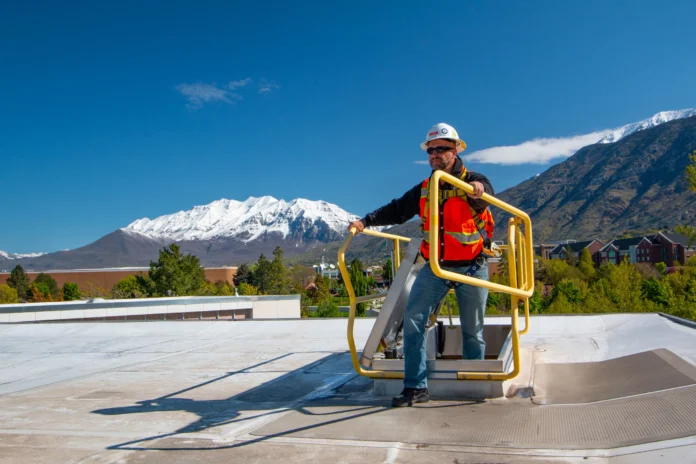
Spring is finally here, and that means it is time to shake off the winter blues and get back up on the roof. After months of heavy snow and freezing temperatures, your commercial building has likely taken a bit of a beating. Scheduling a roof repair park city inspection service right now is the smartest move you can make to ensure those small winter leaks do not turn into massive summer headaches. It is easy to look at the big flat stretches of membrane and think everything is fine, but the real trouble usually hides in the corners and around your hardware.
The Hidden Vulnerability of Roof Access Points
Most people do not think much about their roof hatches or ladders until they actually need to use them. These areas are high-traffic zones where people are stomping around with heavy boots and dragging tools. Over the winter, these spots become even more vulnerable. Snow tends to drift and pile up against the raised curbs of a roof hatch, creating a localized pressure point. When that snow melts and refreezes, it expands and can pull the flashing away from the curb.
During a spring visit, a technician will look specifically at how the sealant is holding up around these penetrations. If the seal has cracked or pulled away, water will find its way into your insulation before you even notice a drip inside the building. Since these are points where the roof membrane is literally cut to accommodate a door or a ladder, they are naturally the weakest links in your armor.
Why Metal Ladders and Roof Membranes Clash
Metal and rubber do not always get along, especially when the temperature swings sixty degrees in a single week. Roof ladders are usually bolted directly into the structure or held down with heavy-weighted bases. Because metal expands and contracts at a different rate than your roofing material, it creates a constant tug-of-war at the attachment points.
Spring inspections often reveal “alligatoring” or small tears around the feet of the ladder. If the ladder was not installed with proper walk pads or protective layers underneath, the vibrations from people climbing up and down can actually saw through the membrane over time. Seeing this early means a simple patch job instead of replacing an entire section of ruined decking.
Drainage Issues Near Your Entryways
One of the biggest issues we see in the spring is standing water near hatches. Because hatches have a raised profile, they can act like a dam if they are positioned near a drainage slope. Debris like leaves, twigs, and gravel tends to get trapped behind the hatch during the winter storms.
When your service tech goes up there, they are looking for “ponding.” If water sits around your hatch for more than forty-eight hours after a rain, it starts to degrade the adhesive. This eventually leads to a “fishmouth” opening where the seam literally opens up like a hungry carp. Keeping these areas clear of debris and ensuring the water has a clear path to the drains is a huge part of what makes a spring visit so valuable.
Mechanical Wear and Tear on Hatch Hardware
It is not just the roof material that suffers during a long winter. The hardware on the hatch itself can take a serious hit. Gaskets can freeze to the metal and tear when someone tries to force the door open in February. Springs can snap, and hinges can rust tight from the salt and moisture.
A spring service visit includes a quick check of these mechanical parts. While inspecting rooftop access areas, it’s also a good opportunity to evaluate nearby structures that may require deck repair, especially if prolonged moisture exposure or seasonal weather has caused signs of deterioration.”
Safety First Around the Perimeter
We also have to talk about safety. If your access ladder is loose or the railing around the hatch has become wobbly due to ice expansion, you have a major liability on your hands. Winter ice can get inside the bolt holes and expand, slowly backing the screws out of their anchors. You do not want the first person using that ladder in the spring to find out it is loose while they are thirty feet in the air. Checking the structural integrity of these components is a standard part of a professional walkthrough and keeps your maintenance crew safe.
Final Word
Taking care of your roof should be a proactive habit rather than a reactive crisis. By focusing on the high-stress areas like ladders and hatches during your roof repair park city inspection service, you catch the tiny cracks before they become waterfalls. A little bit of grease on a hinge and a fresh bead of caulk around a ladder base can easily add years to the life of your commercial roof. Take the time to get an expert eye on your property this month so you can enjoy the warmer weather with total peace of mind.