


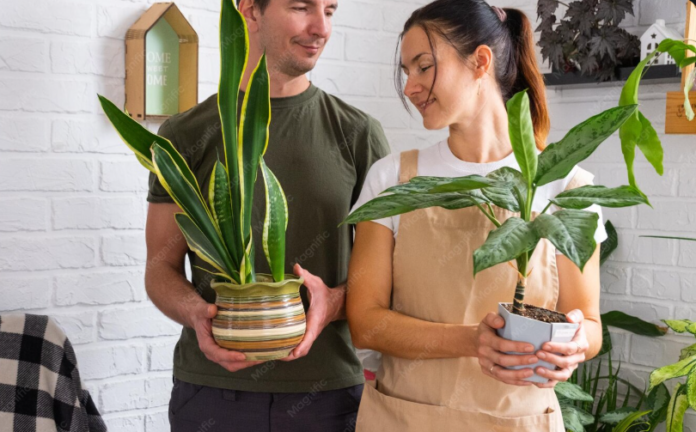
Choosing between artificial and real plants involves more than aesthetics; it’s a decision that impacts sustainability and personal wellness. A 2020 study found that over 65% of Americans prefer real plants for their air-purifying qualities, indicating a strong environmental awareness among consumers.
This article explores various dimensions such as lifespan, maintenance, environmental impact, and cost-effectiveness of both options to help eco-conscious shoppers make informed decisions.
Comparing Lifespan and Maintenance: Artificial vs. Real Plants

When evaluating the lifespan and maintenance of artificial versus real plants, longevity is a key consideration. Artificial plants require minimal upkeep beyond occasional dusting and can last indefinitely, offering a long-term decor solution.
Real plants, on the other hand, can enhance home aesthetics and air quality but require more consistent care including watering, pruning, and optimal sunlight. Their lifespan varies significantly based on the species and the care provided, often needing replacement after a few years.
For those looking for low maintenance options, artificial plants might be the better choice. However, for enthusiasts willing to invest time in plant care, real plants offer dynamic and natural environments that change with seasons.
Environmental Impact Assessment of Artificial and Real Plants
Analyzing the environmental footprint of both plant types reveals complex sustainability implications. Real plants offer the benefit of carbon dioxide absorption and the release of oxygen, contributing positively to indoor air quality and ecological balance.
Conversely, artificial plants, while not requiring water or nutrients, are typically made from plastics and synthetic materials. These materials can be derived from non-renewable resources and contribute to environmental waste at the end of their lifecycle. Locating recycling solutions for synthetic plants can sometimes be challenging.
Those concerned with environmental sustainability might lean towards real plants, as they offer ecological benefits that artificial variants cannot match. Investing in locally-sourced, organic plants could additionally minimize environmental impact.
Analyzing Cost-Effectiveness Over Time: Which Is More Sustainable?
In financial terms, the initial investment in artificial plants might seem advantageous, as they do not require continuous expenditure on items like fertilizers, potting soil, or garden tools. Real plants, despite their ongoing care costs, can offer long-term financial benefits as well, especially when growing perennial species that flourish for years.
Over a period, the cost of maintaining real plants might accrue, yet they also enhance property value and could reduce household expenses by improving air quality and reducing stress levels. The recent trends in urban gardening highlight the rising preference for real plants among homeowners.
If evaluating purely on financial sustainability, the choice between real and artificial plants would depend on individual circumstances such as time, commitment to care, and long-term residence stability.
Health and Wellness Benefits: Choosing Between Artificial and Real Plants

Considering health and wellness, real plants are shown to improve indoor air quality, which could lead to better overall health outcomes such as reduced stress levels and improved mental focus. Studies like NASA’s Clean Air Study highlight the detoxifying effect of live plants in indoor environments.
Artificial plants, while free from the allergens that some real plants carry, do not offer the same air-purifying benefits. They also do not contribute to humidity or produce oxygen, which are significant factors for indoor health benefits mentioned in various health studies.
For those prioritizing health and wellness in their living or workspaces, real plants might provide a more substantial benefit. The psychological and physical health benefits associated with cultivating live plants often outweigh the convenience of artificial alternatives.
Overall, both artificial and real plants have their merits and drawbacks. While artificial plants offer durability and low maintenance, real plants bring environmental benefits and contribute to health and wellness. The choice between the two depends on personal preferences, lifestyle needs, and sustainability priorities.