


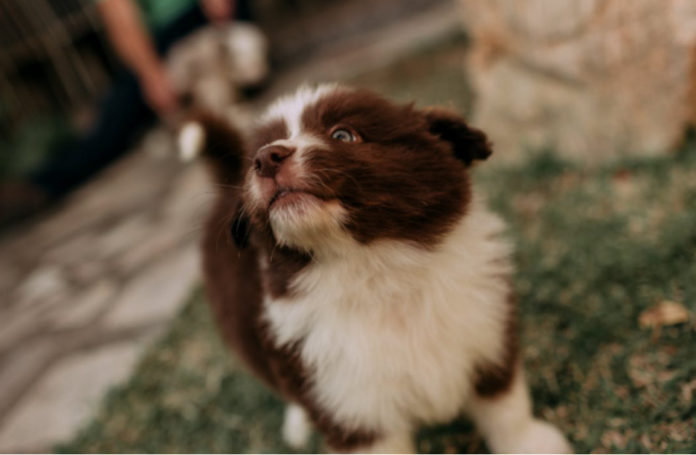
Living with a puppy in Los Angeles can feel overwhelming fast. Busy streets, constant noise, and a fast-paced lifestyle mean your dog faces more stimulation in a day than most people expect. Many owners think their puppy is just being wild or stubborn when they jump, bark, or ignore commands. What’s actually happening is much more important. Your puppy is learning every moment they’re awake.
They’re picking up patterns from your routine, your reactions, and their surroundings. When you understand what your puppy is learning during the day, you gain control over how they grow and behave.
Your Reactions Are Shaping Their Behavior
Every response you give teaches your puppy something. When they bark and you immediately respond, they learn barking gets attention. When they pull on the leash and still reach what they want, they learn pulling works. This happens whether you mean to teach it or not. Puppies don’t separate good attention from bad attention. They focus on what gets results. This is why consistency matters so much. If you allow a behavior one day and correct it the next, your puppy keeps trying it because sometimes it pays off. The goal is to reward what you want more of and quietly prevent what you don’t want from becoming a habit.
Early Lessons That Stick for Life
The first few months with a puppy shape how they behave as an adult. During this stage, their brain is more open to learning patterns and responses. Behaviors that get repeated early become automatic later. That includes both good habits and unwanted ones. Teaching basic skills like walking on a leash, settling calmly, and responding to their name early on makes a big difference. Waiting too long allows problem behaviors to grow stronger. With dog training Los Angeles pet owners can stay consistent during this stage. The goal is to build habits that don’t need constant correction later. Early effort saves time and frustration as your dog matures.
Playtime Builds Real-Life Skills
Play is not just about burning energy. It’s where puppies learn control, boundaries, and how to interact with others. During play, they practice how hard to bite, when to stop, and how to read signals from other dogs or people. If play gets too rough and no one steps in, they learn that rough behavior is acceptable. Guided play helps shape better habits. Short breaks during play teach them how to reset and calm down. Mixing play with simple cues like “sit” or “wait” also helps them stay focused when excited. When play has some structure, your puppy learns how to stay active without losing control, which carries into everyday situations.
Sleep Shapes How They Learn and Behave
Puppies need a lot of rest, and it directly affects how they behave. A tired puppy struggles to focus, reacts more quickly, and often becomes harder to manage. Many owners mistake this for high energy when it’s actually the opposite. Puppies that don’t get enough rest tend to act out more because they can’t regulate themselves well. Sleep helps their brain process everything they experienced during the day. Without enough downtime, learning becomes inconsistent. Creating a routine with regular naps gives your puppy a chance to reset. Quiet rest periods between activities lead to better focus, calmer behavior, and more reliable training over time.
Socialization Happens Everywhere, Not Just at the Park
Many people think socialization means letting their puppy meet as many dogs as possible. That’s only one part of it. Puppies are also learning from sounds, surfaces, people, and everyday situations. Walking past traffic, hearing construction, or sitting calmly at a café all shape how they respond to the world. If exposure happens too quickly or without guidance, puppies can become overwhelmed. Slow, controlled experiences build confidence instead of fear. The goal is to help your puppy stay calm while new things happen around them. That’s how they learn to handle real-life environments. Good socialization creates a dog that can adapt, rather than react, in different situations.
The Home Setup Is Teaching More Than You Realize
Your home environment shapes your puppy’s behavior every day. If they have free access to everything, they will explore, chew, and test limits. That’s normal behavior, not bad behavior. Managing the space prevents problems before they start. Using baby gates, crates, or limiting access to certain rooms helps guide better habits. For example, if shoes are always within reach, chewing becomes a learned behavior. When those items are out of reach, the habit never forms. Clear boundaries inside the home reduce confusion and stress. Puppies do better when the environment supports the rules you want them to follow. Simple adjustments in layout and access often fix issues that training alone cannot solve.
Learning How to Stay Calm Is a Daily Practice
Many puppies spend most of their day in a high-energy state because excitement gets reinforced easily. Calm behavior often goes unnoticed, so it doesn’t get repeated. Teaching a puppy to relax takes intention. This starts by rewarding quiet moments, even if they only last a few seconds. Simple actions like lying down calmly or sitting without being asked should get attention. Creating quiet spaces also helps puppies settle on their own. Over time, they learn that calm behavior brings positive outcomes. This carries into real-life situations like meeting guests or walking in busy areas. A dog that can relax is easier to manage and feels more comfortable in different environments.
Your puppy’s day may look simple on the surface, but every moment plays a role in shaping their behavior. They learn from your actions, their environment, and the routines you create. When you start paying attention to these details, you can guide their learning instead of reacting to problems later. Small changes in how you respond, manage space, and structure the day lead to steady progress. Over time, these choices build a dog that understands expectations and handles everyday life with more confidence. Training becomes easier when you see the full picture. What your puppy learns today becomes the behavior you live with tomorrow.