


Open any real estate app, and you’ll find homes renovated last month sitting beside homes renovated eight years ago. Surprisingly, the age difference isn’t always obvious. Some spaces seem frozen in time in the best possible way. Their kitchens still feel current, their living rooms still feel polished, and their finishes still hold attention. Meanwhile, other homes begin looking tired much sooner despite having newer updates. The explanation often has less to do with renovation dates and more to do with what happens after the contractors leave.
Homeowners in Dunedin, FL, see this firsthand. Coastal living brings plenty of advantages, but it can be demanding on interiors. Moisture, outdoor activity, beach gear, pets, and everyday traffic constantly test floors, walls, and surfaces. Yet certain homes continue feeling remarkably fresh years later.
Carpet Care
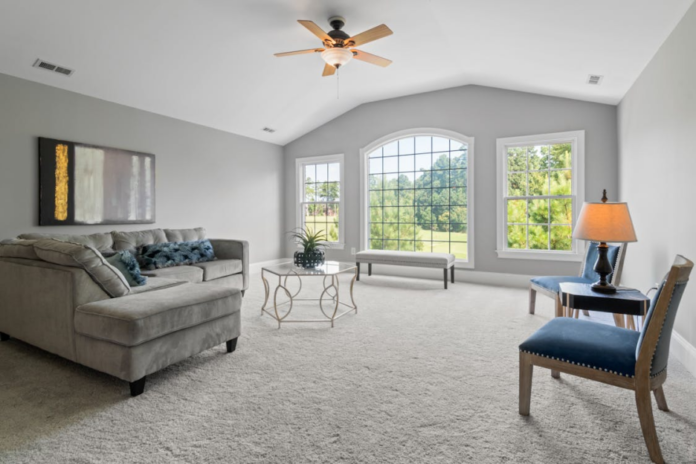
Flooring is often the first thing people notice without realizing they’re noticing it. A room with clean, well-maintained carpet immediately feels brighter and more put-together. Think about a modern living room featuring streamlined furniture, smart lighting, and carefully chosen décor. If the carpet underneath looks flattened or dull, the entire room loses some of its energy. The renovation may still be technically attractive, but it stops feeling fresh.
Today’s homes experience constant activity. Video calls happen from living rooms, kids spread out school projects on the floor, pets claim favorite spots by the window, and streaming marathons turn family rooms into all-day hangouts. Over the years, carpets absorb the evidence of all that living. Many homeowners turn to a carpet systems service in Dunedin because professional cleaning removes deep-set buildup that slowly changes how a room looks and feels. The entire room regains some of the crisp appearance it had immediately after the renovation was completed.
Preventing Everyday Wear
Most renovations don’t age because of major damage. They age because of hundreds of tiny moments. A kitchen island becomes the drop zone for keys, delivery boxes scrape hallway walls, dining chairs repeatedly slide across the same flooring, and sunlight hits the same corner every afternoon. None of these events seems significant on its own, but together they gradually soften the impact of a renovated space.
Homes that continue looking current years later often benefit from homeowners who pay attention to those patterns. Furniture pads, entry mats, routine touch-ups, and simple protective measures help slow the visual aging process. A renovation that still looks great after several years often owes part of its success to habits that most visitors never notice.
Neutral Design Choices
Neutral design has evolved considerably. Modern neutral spaces are no longer limited to beige walls and predictable finishes. Today’s approach includes warm whites, natural textures, layered earth tones, and materials that create interest without depending on a specific trend, like sage green tiles.
Consider how quickly social media trends move. A color that dominates design for one year may feel overused a few years later. Homes built around highly specific trends often reveal their age faster because they become associated with a particular moment. Neutral foundations tend to avoid that problem. Homeowners can update artwork, furniture, lighting, or accessories without needing another major renovation.
Paint Preservation
Fresh paint has an almost magical ability to make a home feel new. The challenge is keeping that effect alive. Walls experience far more interaction than many homeowners realize. Hallways collect scuffs from bags and luggage. Kitchen walls encounter cooking residue. Stairways receive constant contact from hands moving up and down throughout the day.
The homes that maintain a recently renovated appearance often treat paint maintenance as part of regular upkeep rather than a major project. Small touch-ups happen before marks become distractions. Surfaces are cleaned periodically instead of waiting until buildup becomes obvious.
Grout, Caulk, and Trim
Few homeowners finish a renovation and immediately start thinking about grout lines or trim details. Yet those elements have a surprising influence on how old a room appears. A bathroom with beautiful tile can quickly lose its polished look if grout becomes discolored. A modern kitchen can feel neglected if caulk begins separating around key areas. Crisp trim can make a room feel refined, while worn trim often has the opposite effect.
One reason renovated homes continue looking fresh is that owners pay attention to these overlooked details. They understand that people may not consciously focus on grout or trim, but they absolutely notice the overall impression those features create. Maintaining them is similar to keeping a smartphone screen clean. The device still works either way, yet the experience feels completely different.
Visual Simplicity
One of the fastest ways to make a renovated room feel older is to overwhelm it with visual clutter. A beautifully designed living room can lose much of its impact once every available surface becomes home to unopened packages, charging cables, paperwork, seasonal decorations, and miscellaneous household items. The renovation itself hasn’t changed, but the eye has far less opportunity to appreciate it.
Many homes that continue looking current years later embrace a simple principle: give the renovation room to breathe. That doesn’t mean adopting a minimalist lifestyle or removing personality from a space. It means being selective about what remains visible. Think of a modern media wall or custom-built shelving unit. The craftsmanship stands out far more when the surrounding area feels organized. A curated environment allows the original design choices to remain the focal point rather than disappearing behind everyday clutter.
Exterior Upkeep
People often form opinions about a home’s condition before they ever step inside. A well-maintained exterior creates an expectation that the interior receives similar care. Conversely, neglected outdoor spaces can make even attractive interiors feel less impressive. The relationship between exterior and interior perception is stronger than many homeowners realize. Homes that continue looking fresh years after renovations often receive consistent attention outside as well as inside. The same principle applies to commercial remodeling, where regular maintenance and thoughtful updates help businesses preserve a professional appearance and extend the value of their renovation investment. Walkways stay clean, landscaping remains manageable, and exterior surfaces receive routine care. In places where outdoor living plays a significant role in daily life, patios, entryways, and outdoor gathering areas become extensions of the home’s overall appearance.
Layered Cleaning Habits
Homes that age well benefit from multiple layers of maintenance working together throughout the year. Daily routines handle immediate messes, weekly cleaning addresses frequently used spaces, and seasonal projects tackle areas that don’t require constant attention.
A modern example can be seen in homes that combine automated tools with traditional cleaning habits. Robot vacuums manage everyday debris, while periodic deep cleaning addresses areas technology can’t fully handle. Window tracks, ceiling fans, grout lines, and upholstery receive attention at different intervals based on need. The result is a home that never drifts too far from its best condition.
Homes that continue looking fresh years after their last renovations usually aren’t relying on luck or endless remodeling budgets. Their longevity comes from thoughtful upkeep, practical design choices, and habits that protect the original investment.