


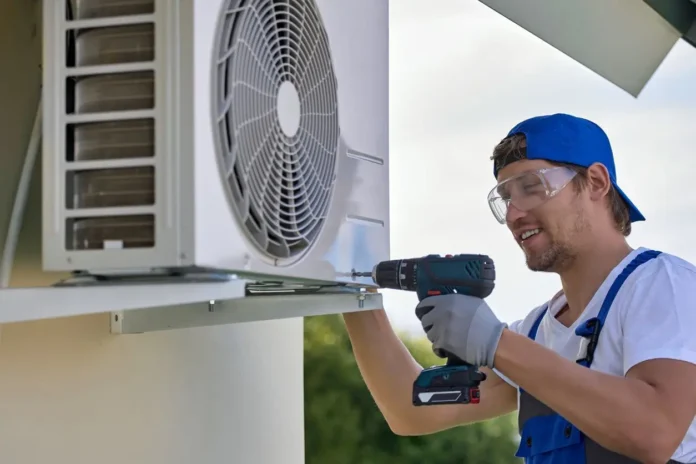
A heat pump is meant to provide steady heating and cooling without constant repair visits. When repair bills keep growing, the system may be showing signs of deeper wear rather than a single isolated issue. Replacing one part may help for a short time, but repeated failures can drain money, reduce comfort, and leave homeowners unsure when the next problem will happen. Heat pump replacement becomes worth considering when the system costs more to run than it provides in comfort, efficiency, and reliability.
When Replacement Makes Sense
- Repeated Repairs Can Become a Costly Pattern
When a heat pump needs repair repeatedly, homeowners should look beyond the latest bill and consider the overall pattern. A single repair may be reasonable, but frequent service calls for motors, coils, sensors, refrigerant issues, reversing valves, or electrical components can indicate that the system is wearing out. Each repair may seem manageable on its own, yet the cumulative cost over months or years can be frustrating. Homeowners considering Heat Pump Replacement in Kent, WA, may be wondering whether continued repairs still make financial sense. This choice becomes more urgent when repair costs are no longer bringing lasting results. An aging system may continue to develop new issues because several parts have been working under strain for years. Instead of paying repeatedly to keep old equipment running, replacement can create a cleaner starting point. A new system may reduce unexpected repair costs and provide the home with more dependable heating and cooling.
- Older Heat Pumps Often Lose Efficiency
Increasing repair costs are not the only reason to consider replacement. Older heat pumps often lose efficiency as parts wear, coils collect buildup, refrigerant performance changes, and motors struggle to maintain airflow. Even if repairs keep the system running, the unit may use more electricity to deliver the same comfort it once provided. This can show up as rising utility bills, longer run times, uneven temperatures, or a system that seems to work harder during mild weather. Repairing one failed part may not restore the unit’s full efficiency. Replacement can help because newer systems are designed to use energy more effectively while providing steadier comfort. When homeowners compare repair spending with higher energy costs, the old unit may be costing more than it appears. A replacement decision should include both repair bills and monthly operating costs. This broader view helps homeowners understand whether the current system is still serving the home well.
- Comfort Problems May Continue After Repairs
A heat pump that requires repeated repairs may also struggle to keep the home comfortable. Rooms may feel unevenly heated, airflow may be reduced, or the system may switch between heating and cooling less smoothly. During colder weather, the unit may run constantly and still leave parts of the home chilly. During warmer months, it may take longer to remove heat and humidity. These comfort concerns can persist even after repairs if the system is aging, poorly sized, or experiencing declining overall performance. Replacement gives homeowners a chance to choose equipment that better matches the home’s current needs. Changes such as adding rooms, improving insulation, installing new windows, or changing household routines can affect heating and cooling demand. A replacement system can be selected with these factors in mind. When comfort issues keep returning, replacement may offer a stronger answer than continuing to repair parts that no longer deliver the performance the home requires.
- Breakdowns Can Create More Stress Over Time
Frequent heat pump repairs can be stressful because homeowners never know when the next failure will occur. A system may stop during a cold night, a hot afternoon, or a busy week when comfort is needed most. This uncertainty can be tiring, particularly as repairs become more expensive and less predictable. Replacement can reduce that stress by lowering the chance of sudden shutdowns caused by worn parts. A newer system also gives homeowners a more reliable foundation for daily comfort. Instead of planning around breakdowns, they can focus on normal maintenance and steady operation. This matters for households with children, older adults, pets, or home offices, as well as anyone who depends on consistent indoor temperatures. While no system can avoid every future issue, replacing equipment that has entered a cycle of repeated failure can bring greater peace of mind. Fewer emergency calls and fewer interruptions can make the home feel easier to manage.
- New Equipment Can Offer Better Long-Term Value
Heat pump replacement should be considered when the long-term value of a new system outweighs the short-term appeal of another repair. A replacement may cost more upfront, but it can offer better energy efficiency, greater comfort, updated controls, quieter operation, and fewer repair issues. Newer systems may also come with warranty coverage that helps protect homeowners against certain early-part failures. This can be helpful when the old system has been producing one repair bill after another without lasting improvement. Replacement also allows a technician to review ductwork, airflow, thermostat controls, and system sizing during installation planning. These details can improve how the new equipment performs in the home. When homeowners only repair old parts, they may not address the larger reasons the system keeps struggling. A new system can reset the home’s heating and cooling performance and support better planning for future comfort needs.
Replacement Can Be the Smarter Next Step
Heat pump replacement should be considered when repair costs keep rising, as repeated service bills can indicate a system nearing the end of its useful life. Older units may lose efficiency, struggle with comfort, break down at inconvenient times, and cost more to operate each month. While repairs can solve isolated problems, they may not be the right answer when issues keep returning. Looking at total repair costs, energy bills, comfort concerns, system age, and reliability helps homeowners make a clearer decision. When a replacement offers greater value, the home enjoys steadier comfort and fewer heating and cooling disruptions.