


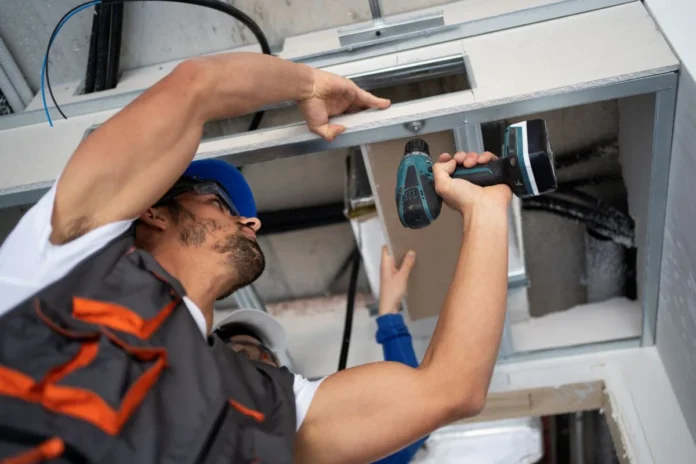
Replacing a heating and cooling system is a major decision, but the equipment is only one part of home comfort. The ductwork that carries conditioned air through the house can quietly waste energy, reduce airflow, and make new equipment seem weaker than it really is. Before a homeowner invests in a replacement unit, an HVAC contractor should inspect the ducts for leaks, gaps, damaged joints, loose connections, and poor insulation. This step helps reveal whether the existing air path can support the new system. When duct leaks are ignored, even a new unit may struggle to deliver comfort.
What the Inspection Reveals
- Leaky Ducts Can Make Sizing Decisions Wrong
System replacement usually begins with choosing equipment that matches the home’s heating and cooling needs. If the ducts are leaking, that calculation can become misleading because some conditioned air never reaches the rooms it is meant to serve. A contractor may see rooms that feel too warm or too cold and assume the old unit was undersized, when the real problem is air loss inside attics, crawl spaces, basements, or wall cavities. That can lead to a larger replacement system than the home actually needs. Oversized equipment may cycle on and off too often, create uneven comfort, and increase wear. A duct inspection helps separate equipment failure from delivery failure. Homeowners comparing replacement options may also contact Fleetwell Air Conditioning, Heating, and Plumbing near Tarzana to have duct concerns reviewed before choosing a new unit. A correct diagnosis helps the replacement plan begin with real performance data instead of guesswork.
- Air Leaks Reduce Comfort After Installation
A new HVAC unit cannot fully improve comfort if the duct system continues losing air before it reaches the living space. Leaks near supply ducts can leave bedrooms, living rooms, or upstairs areas feeling uneven, even when the new system is running properly. Return duct leaks can also pull dusty, hot, cold, or humid air from areas that were never meant to feed the system. This can affect indoor comfort and may cause the equipment to run longer than necessary. When an HVAC contractor checks the ductwork before replacement, the homeowner gets a clearer picture of how much comfort improvement the equipment will provide and how much depends on sealing or repairing the air channels. This matters in older homes where ducts may have shifted, cracked, or separated over time. Fixing those concerns before or during replacement allows the new system to move air more evenly and helps each room respond better to thermostat settings.
- Energy Waste Can Continue With New Equipment
Many homeowners replace an HVAC system hoping to lower utility costs, but duct leaks can continue wasting energy after the new unit is installed. Conditioned air that escapes into an attic or crawl space has already been heated or cooled, which means the system used energy without delivering that comfort indoors. If leaks remain, the new equipment may still run longer to satisfy the thermostat, reducing the value of the upgrade. A duct inspection helps identify where energy is being lost and whether sealing, insulation, or repairs should be included in the replacement project. This is important because a new system is often judged by monthly bills and daily comfort, not just by the equipment itself. When the ductwork is properly sealed, more of the air produced reaches the intended rooms. That can make the replacement feel more effective and help the homeowner avoid disappointment after installation.
- Duct Problems Can Affect Indoor Air Quality
Duct leaks are not only about lost air. They can also affect what moves through the HVAC system and into the home. Return-side leaks may draw air from dusty attics, damp crawl spaces, garages, or unfinished areas. That air can carry particles, odors, insulation fibers, or moisture into the system. Supply-side leaks can also disturb the pressure balance, making some rooms harder to condition and allowing outside air to enter through gaps around doors and windows, or through cracks in the building. Before system replacement, an HVAC contractor can inspect ducts for openings, loose seams, crushed runs, and damaged insulation that may contribute to poor air quality. This step is valuable when homeowners notice dust buildup, stale smells, allergy irritation, or inconsistent airflow. Replacing equipment without addressing duct leaks may leave these concerns mostly unchanged. Checking the ductwork first helps create a cleaner and more controlled airflow path for the new system.
- Early Inspection Helps Control Project Costs
Finding duct leaks before replacement can also help homeowners plan costs more wisely. If leaks are discovered after the new unit is installed, repairs may require another visit, more labor, and additional disruption. In some cases, unfinished areas may need to be reopened, or new equipment settings may need to be adjusted after duct repairs are finally completed. An early inspection allows the contractor to build duct sealing, insulation, airflow balancing, or minor repairs into the same project. Coordinating related work with pipework installation at this stage can also help ensure that the overall project is completed efficiently without unnecessary repeat visits.This creates a smoother process and helps avoid surprise expenses. It also helps the homeowner understand which repairs are urgent and which improvements can be scheduled later. When ductwork is evaluated early, the replacement plan becomes more complete. Instead of focusing only on the outdoor unit, indoor coil, furnace, or air handler, the project accounts for the full path that conditioned air must travel.
Replacement Works Better With Sealed Ducts
An HVAC contractor should inspect duct leaks before system replacement because the ducts can decide how well the new equipment performs. Leaky ductwork can lead to improper sizing, uneven room temperatures, wasted energy, indoor air quality issues, and higher project costs. A new unit may be efficient on paper, but it still depends on sealed air channels to deliver comfort through the home. Checking ducts first gives homeowners a clearer replacement plan and helps the system work as intended. When repairs are handled early, the finished installation can provide steadier airflow, cleaner operation, and more reliable comfort for years.