


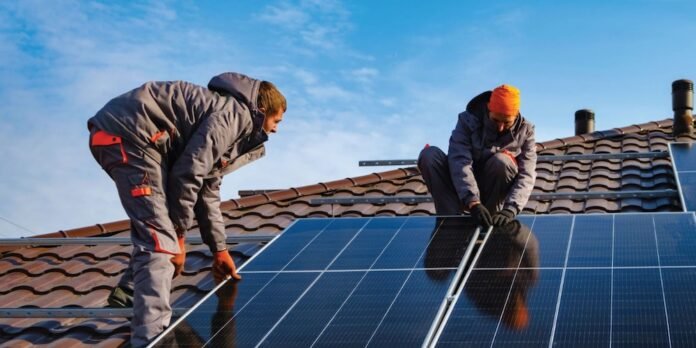
Roof solar readiness means more than having open space where panels might fit. A home’s roof must be able to support equipment, receive enough sunlight, and connect safely to the electrical system. A solar energy company helps homeowners understand these details before they invest in a solar project. The review can uncover the roof’s age, shading, slope, direction, surface condition, and structural concerns that may affect the design. It can also indicate whether repairs should be made before installation. With this guidance, homeowners can plan solar with fewer surprises and a clearer view of what their roof can handle.
Key Roof Readiness Checks
- Roof Age and Surface Condition Come First
One of the first things a solar energy company reviews is the roof’s current condition. Solar panels are designed for long-term use, so placing them over worn shingles, cracked tiles, soft decking, or aging underlayment can create trouble later. If the roof needs major repair a few years after installation, panels may have to be removed and reinstalled, adding cost and disruption. A roof readiness check helps homeowners determine whether the roof should be repaired, replaced, or reinforced before adding panels. This does not always mean the roof must be new, but it should have enough remaining life to support the project. The inspection may also look for uneven areas, water damage, weak flashing, or signs of past leaks. Homeowners researching solar options may contact a Los Angeles Solar energy company to understand how local sun exposure and roof conditions interact. Starting with roof health protects both the solar system and the home beneath it. Regular solar panel cleaning Fontana services may also help homeowners maintain panel performance after the system has been installed.
- Sunlight, Shade, and Roof Direction Shape Output
A solar energy company also helps homeowners understand how sunlight reaches the roof during different times of day and across different seasons. A roof may look open from the ground, but nearby trees, chimneys, dormers, taller buildings, or vent pipes can cast shade that reduces panel output. The company can study roof direction, tilt, and shaded areas to estimate where panels may produce the most energy. South-facing roof sections are often useful in many areas, but east- and west-facing areas may also support strong production depending on the home, schedule, and utility plan. This review gives homeowners a realistic picture of what their roof can produce, rather than relying solely on guesswork. It can also show whether trimming branches, choosing a different panel layout, or using panel-level controls may improve results. Understanding sunlight patterns early helps prevent a system design that looks good on paper but underperforms after installation.
- Structure and Weight Need Careful Review
Solar panels, racking, wiring, and mounting hardware add weight to the roof, and that weight must be supported safely. A solar energy company can review roof framing, rafter spacing, decking strength, and mounting areas to decide whether the structure is ready. Some homes have older framing, previous roof layers, water damage, or construction changes that may need attention before solar equipment is installed. The review may also consider local wind, rain, heat, and other weather conditions, as solar panels must remain secure during daily exposure. Proper mounting protects the roof surface and helps prevent leaks around attachment points. Homeowners may not see these concerns from the outside, but they matter once equipment is fastened to the roof. A readiness review can help determine whether an engineer, a roofing contractor, or additional repair work is needed before the solar project moves forward. This protects the investment from structural problems that could appear after installation.
- Electrical Access and Layout Affect the Plan
Roof readiness is also connected to how solar power will move from the panels to the home’s electrical system. A solar energy company checks where conduit may run, where inverters or related equipment could be placed, and how the system may connect to the main panel. A roof can have strong sunlight and solid structure, yet still need electrical updates before installation. The company may review service panel capacity, grounding, shutoff access, meter location, and the availability of clear paths for wiring. This step helps homeowners understand whether the project requires panel work, equipment relocation, or added space near the electrical area. It also supports a cleaner layout, because poor planning can leave visible conduit in awkward places or create difficult service access later. When roof layout and electrical planning are reviewed together, the solar design becomes more practical. The homeowner can see how the roof, attic, walls, and electrical panel all connect as one system.
Readiness Makes Solar Decisions Clearer
A solar energy company helps homeowners understand their roof’s solar readiness by considering the roof as part of the whole home, not just as an empty surface. The review covers the roof condition, remaining life, sunlight and shade, structure, mounting needs, and electrical access before installation begins. This helps homeowners avoid placing panels on a roof that may need repair soon or designing a system that misses stronger sun areas. It also reduces uncertainty about cost, layout, and preparation work. When readiness is assessed early, the solar project can proceed with better planning and fewer disruptions. A prepared roof gives solar equipment a stronger place to perform for years. Working with professionals who specialize in residential solar panel installation also helps ensure the system is designed, mounted, and connected correctly for long-term performance, safety, and energy efficiency.