


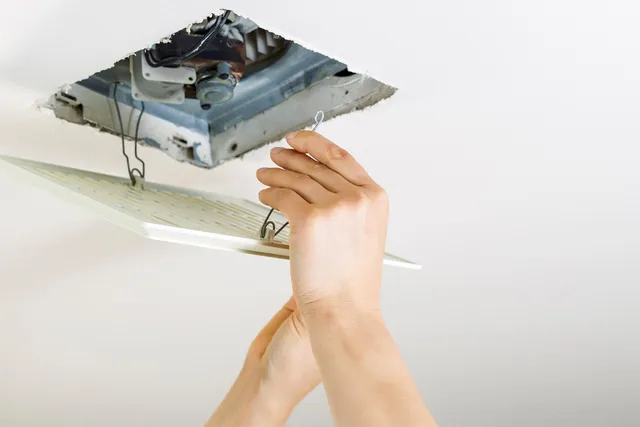
Bathroom exhaust fans help remove humid air, odors, and steam from one of the most moisture-prone rooms in the home. While the fan may look simple, its wiring must be handled carefully because bathrooms combine electricity, water, damp air, switches, lighting, and ventilation in a confined space. Poor wiring can lead to tripped breakers, poor fan performance, overheating, or risk of electric shock. An electrician helps ensure the fan is safely connected, on the correct circuit, properly controlled, and protected according to bathroom electrical requirements.
Safe Fan Wiring Basics
- Handling Electricity Near Moisture Safely
An electrician matters for bathroom exhaust fan wiring because bathrooms create conditions that require careful attention to electrical safety. Steam, splashing water, damp ceilings, wet hands, and metal fixtures can increase the risk of shock when wiring is not installed correctly. A fan may need to connect with a switch, light, timer, humidity sensor, or dedicated circuit, depending on the setup. A licensed electrician in Portland can check whether the wiring method, breaker protection, grounding, and switch location are suitable for bathroom conditions. This matters because a fan that turns on does not always mean it is wired safely. Loose connections, poor grounding, or improper wire handling may remain hidden above the ceiling until problems arise. Safe wiring helps protect the people using the bathroom while allowing the exhaust fan to run reliably during showers, baths, and daily use.
- Matching the Fan to the Right Circuit
Bathroom exhaust fans must be connected to a circuit that can handle the electrical load without causing an overload. Some fans are basic units, while others include lights, heaters, sensors, or timers that require more power. If a new fan is added to an already crowded circuit, lights may flicker, breakers may trip, or wiring may be overloaded. An electrician can inspect the existing circuit, calculate load, check breaker size, and determine whether a new circuit or updated wiring is needed. If you experience sudden electrical failures, burning odors, or repeated breaker trips during installation, contacting an emergency electrician can help resolve the issue quickly and prevent further safety risks. This is important in older homes where bathroom wiring may have been altered over time or connected to nearby rooms. Proper circuit matching helps prevent nuisance trips and reduces strain on wires, switches, and breakers. It also allows the fan to run as intended without affecting other fixtures. A properly wired fan provides ventilation while keeping the electrical system within safe limits.
- Ensuring Proper Grounding and GFCI Protection
Grounding and ground-fault protection are important parts of bathroom electrical safety. Because bathrooms contain water and damp surfaces, electrical devices may require additional protection to reduce the risk of electric shock. An electrician can determine whether the exhaust fan wiring requires ground-fault circuit interrupter protection based on its location, features, and local requirements. They can also confirm that the fan housing, switches, and connected wiring are properly grounded. This step matters because ungrounded or poorly protected wiring can create hazards even if the fan appears to work normally. Some fans are installed near showers or tubs, where protection rules can be more strict. An electrician understands how to match the wiring to the bathroom layout and fan type. Correct grounding and protection help electricity follow a safer path if a fault occurs. This gives homeowners more confidence that the ventilation system is not creating hidden danger above the ceiling or behind the switch.
- Connecting Switches, Timers, and Controls Correctly
Modern bathroom fans often use more than a basic on-and-off switch. Some include timer switches, humidity-sensing controls, motion sensors, light combinations, or separate controls for fan and lighting functions. These features can improve convenience, but they also make wiring more involved. An electrician can connect each control correctly so the fan responds as expected and does not overload shared wiring. Incorrect control wiring may cause the fan to run constantly, fail to start, hum, trip a breaker, or interfere with bathroom lighting. A timer or humidity control also needs proper placement and wiring to manage ventilation without confusing the circuit. When switches and controls are installed correctly, the fan can remove humid air at the right time and shut off without wasting energy. Proper controls also make the bathroom easier to use because ventilation becomes more consistent and less dependent on someone remembering to turn off the fan.
- Preventing Heat, Fire, and Ventilation Problems
Unsafe fan wiring can create more than electrical inconvenience. Loose wire connections, undersized wiring, wrong switch ratings, or overloaded circuits can create heat inside junction boxes or fan housings. Over time, that heat may damage insulation, wiring, switches, or nearby materials. An electrician helps prevent these problems by securing connections, using proper wiring methods, checking junction box access, and confirming that the fan is installed according to the manufacturer’s instructions. Wiring safety also connects to ventilation performance. If the fan is wired incorrectly or experiences unstable power, it may not properly remove moisture from the bathroom. This can leave damp air trapped inside, increasing odors and supporting bacterial growth on surfaces exposed to repeated moisture. A properly wired fan runs when needed, moves air steadily, and helps protect paint, drywall, trim, mirrors, and fixtures from moisture-related wear. Electrical safety and ventilation performance work together in a bathroom.
An electrician matters for safe bathroom exhaust fan wiring because the bathroom combines moisture, electrical devices, switches, and ventilation needs in one area. Correct wiring helps prevent shock risks, overloaded circuits, tripped breakers, overheating, and unreliable fan operation. An electrician can check circuit capacity, grounding, GFCI protection, switch controls, fan connections, and safe installation details before problems develop. Proper wiring also helps the fan remove humid air more effectively, protecting the bathroom from odors, dampness, and bacterial growth. With careful electrical work, the exhaust fan can support comfort, safety, and long-term bathroom protection.