


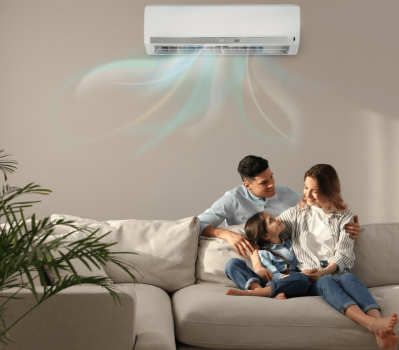
A comfortable home is about more than keeping the thermostat at the right temperature. Heating, cooling, and indoor air quality all affect how a home feels throughout the year. If one part of the system isn’t working properly, you may notice uneven temperatures, stale air, excess humidity, or rising energy bills. For homeowners looking to improve their indoor environment, HVAC services for year-round comfort can provide support for the systems responsible for heating and cooling the home.
Creating a comfortable indoor environment starts with understanding how these systems work together. Your heating and cooling equipment controls temperature, while ventilation and filtration influence the quality of the air you breathe. When these areas are properly maintained, your home can feel more consistent and comfortable in every season.
What Makes a Home Comfortable?
Temperature is often the first thing people think about when discussing comfort, but it isn’t the only factor. A room can be set to a seemingly comfortable temperature and still feel unpleasant if the air is too humid, too dry, stale, or poorly circulated.
Indoor comfort is influenced by several conditions within the home. These include temperature, humidity, airflow, ventilation, insulation, and the condition of the HVAC equipment.
For example, two rooms can have the same thermostat setting but feel completely different if one has poor airflow or receives significantly more sunlight. Understanding the bigger picture can help homeowners address comfort problems more effectively.
Keep Heating Equipment Ready for Cold Weather
A reliable heating system becomes especially important when outdoor temperatures drop. Furnaces, heat pumps, and other heating equipment need to operate efficiently to maintain a comfortable indoor temperature.
Regular maintenance can help identify worn components, airflow restrictions, or other developing issues before they become major problems. A system that hasn’t been maintained may also struggle to distribute heat evenly throughout the home.
If certain rooms consistently feel colder than others, the issue may not necessarily be the heating equipment itself. Insulation, ductwork, windows, airflow, and the layout of the home can all affect indoor temperatures.
It’s worth investigating persistent temperature differences rather than simply increasing the thermostat setting for the entire house.
Make Summer Cooling More Efficient
During warm weather, your air conditioner has to remove heat from the home and maintain the temperature selected on the thermostat. Poor maintenance or restricted airflow can make this process less effective.
A clean air filter is one simple part of good HVAC care. When filters become heavily loaded with dust, airflow can be restricted, which may make the system work harder.
Outdoor equipment also needs adequate airflow. Leaves, grass, dirt, and other debris can collect around the outdoor unit and interfere with normal operation.
If your air conditioner runs for unusually long periods, struggles to maintain the desired temperature, or produces inconsistent cooling, the system may need professional attention.
Don’t Overlook Indoor Air Quality
Temperature isn’t the only part of the indoor environment that affects comfort. The air itself can also make a noticeable difference.
Indoor air can contain dust, pet dander, pollen, odors, and other airborne particles. Cooking, cleaning, showers, and normal household activity can also affect indoor air conditions.
Good filtration and appropriate ventilation can help manage some of these concerns. Air filters can capture particles as air passes through the HVAC system, while ventilation helps exchange indoor air with outdoor air.
The right approach depends on the home and the specific air quality concerns. A filtration system that works well for one household may not address every concern in another.
Humidity Can Change How Your Home Feels
Humidity has a major effect on indoor comfort. High humidity can make warm temperatures feel even more uncomfortable, while very dry air can cause its own issues during colder months.
Your HVAC system can influence indoor humidity as part of its normal operation. Air conditioning removes some moisture as it cools the air, while heating can make indoor air feel drier during winter.
If your home consistently feels damp, clammy, or unusually dry despite reasonable thermostat settings, the issue may involve humidity rather than temperature alone.
In some homes, additional humidity control or ventilation may be appropriate. The best solution depends on the home’s construction, climate, HVAC equipment, and moisture sources.
Improve Airflow Throughout the Home
Good airflow helps distribute conditioned air from your HVAC system. If vents are blocked by furniture, curtains, or other objects, air may not move as effectively into the room.
Ductwork can also influence airflow. Leaks, damage, poor insulation, or design problems may prevent conditioned air from reaching certain areas efficiently.
If one part of your home is consistently too warm or too cold, don’t automatically assume the thermostat is the problem. A professional assessment can help determine whether the cause involves ductwork, equipment, insulation, airflow, or another factor.
Improving airflow can sometimes make a noticeable difference without requiring a complete system replacement.
Simple Habits That Support Better Comfort
Your HVAC equipment doesn’t have to do all the work. Everyday habits can also influence how comfortable and efficient your home feels.
- Keep filters maintained: Check HVAC filters regularly and replace or clean them according to the manufacturer’s recommendations. Homes with pets or higher dust levels may require more frequent attention.
- Keep vents unobstructed: Make sure furniture, curtains, rugs, and other household items aren’t blocking supply or return vents.
- Use exhaust fans: Kitchen and bathroom exhaust fans can help remove moisture, odors, and airborne particles at their source.
These small steps can complement professional maintenance and help your heating and cooling system operate more effectively.
When Should You Have Your HVAC System Checked?
You don’t have to wait for a complete system failure before scheduling professional service. Changes in performance can provide useful warning signs.
If your system starts making unusual noises, cycles more frequently, runs for unusually long periods, or struggles to maintain a comfortable temperature, the cause should be investigated.
Rising energy costs can also be worth paying attention to, particularly when your household habits haven’t changed significantly. Increased energy use may have several causes, but declining HVAC performance can be one possibility.
Professional maintenance can help identify problems and give you a better understanding of the condition of your equipment.
Think About the Whole Home
Heating, cooling, and air quality shouldn’t be considered completely separate concerns. A home’s insulation, windows, ductwork, ventilation, and HVAC equipment all interact.
For example, an air conditioner may struggle to maintain a comfortable temperature if conditioned air escapes through poorly sealed areas. Similarly, a heating system may run frequently if the home has insufficient insulation.
Looking at the whole home can help identify improvements that address the actual source of a comfort problem rather than simply treating the symptoms.
When Replacement Makes Sense
Maintenance and repairs can keep many HVAC systems operating effectively, but every system eventually reaches a point where replacement becomes worth considering.
Frequent repairs, declining performance, inconsistent temperatures, and increasing operating costs can all be reasons to evaluate an older system.
Replacement isn’t automatically the right choice simply because equipment has reached a certain age. The condition of the system, repair history, efficiency, comfort level, and expected future needs should all be considered.
A professional evaluation can help homeowners compare continued maintenance with the potential benefits of newer equipment.
Conclusion
A comfortable home depends on more than a thermostat setting. Reliable heating, effective cooling, proper airflow, appropriate humidity, and good indoor air quality all contribute to how your home feels throughout the year.
Simple maintenance habits can support HVAC performance, while professional service can help identify problems that aren’t obvious to homeowners. Paying attention to changes in temperature, airflow, humidity, and system operation can also help you address issues before they become larger disruptions.
By looking at heating, cooling, and indoor air quality as parts of the same indoor environment, homeowners can make more informed decisions about maintenance and improvements. The result is a home that feels more consistent, comfortable, and enjoyable in every season.