


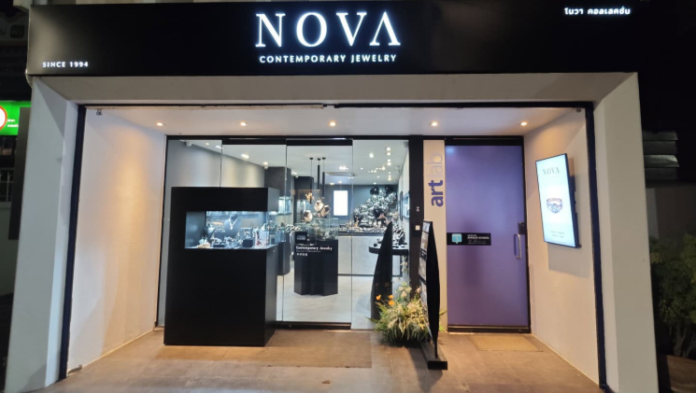
The fine jewellery market is undergoing a fundamental transformation. In an era where consumers are heavily bombarded with mass-produced accessories and fleeting fast-fashion trends, the appeal of generic retail is rapidly fading. Today, modern buyers are seeking something far more personal. They want items that tell a unique story, represent their individual values, and hold long-term emotional significance. Recent market analyses project that the global customised jewellery sector will surpass a remarkable 40 billion dollars in valuation by the end of 2026. This impressive growth is driven entirely by a shift in consumer behaviour, paving the way for independent artisans to thrive and turning bespoke craftsmanship into a booming global industry.
Inside the Modern Artisan Studio
The creation of a custom piece is no longer a closed-door manufacturing process. Today, consumers are invited directly into the creative fold, collaborating closely with skilled makers to design unique, lifelong investments. Thailand has firmly established itself as a premier global hub for this type of collaborative craftsmanship. The country perfectly blends a centuries-old traditional goldsmithing heritage with direct access to premium coloured gemstones like sapphires and rubies. When international buyers commission a bespoke piece, the process often begins with an intimate consultation inside an independent jewelry workshop. Here, clients work alongside master jewellers to select their preferred stones, refine structural elements using digital design software, and oversee the hands-on crafting experience from start to finish.
The Financial Shift Toward Slow Fashion and Craftsmanship
The traditional retail model, which relies on high volume and uniform designs, is facing unprecedented challenges. As traditional retail store closures continue to rise, independent makers are capturing a significant and highly profitable share of the market. Small-scale artisans operate with highly efficient supply chains and agile inventory models that larger conglomerates simply struggle to replicate. Much like the structural advantages helping independent fashion retailers win on margin, bespoke creators are thriving by replacing mass production with personalised, high-value craftsmanship. By focusing heavily on made-to-order pieces, these independent businesses completely eliminate the financial overhead of unsold stock. Furthermore, market research indicates that nearly twenty percent of modern consumers are willing to pay a substantial premium specifically for custom-made goods, allowing independent makers to command higher prices for their distinct expertise.
What Millennial and Gen Z Consumers Really Want
Younger generations are the primary force driving this pivot toward bespoke creation. Millennials and Gen Z currently account for over sixty percent of all online fine jewellery purchases, and their spending habits reflect a deep commitment to ethical sourcing and true individuality. According to a joint report by McKinsey and the Business of Fashion, sustainability is projected to influence up to 30 percent of fine jewellery sales by 2025, with modern consumers actively seeking the expert guidance and bespoke services that independent jewellers provide. Buyers are increasingly prioritising emotional meaning over pure brand status. They are redirecting their budgets away from large retail chains, choosing instead to invest in independent makers who can guarantee conflict-free materials and transparent, ethical origins.
The Core Elements Driving the Bespoke Boom
The ongoing success of independent artisans in 2026 relies on several key industry innovations and consumer trends. Modern buyers are highly specific about what they expect from a custom purchase, prompting artisans to adapt and expand their bespoke offerings to meet these sophisticated demands.
- Hybrid Consultation Models: Independent creators are successfully blending the digital and physical realms. Virtual try-ons and rapid computer-aided prototyping allow international clients to seamlessly participate in the design process from anywhere in the world.
- Alternative Materials: There is a strong, growing preference for lab-grown diamonds and recycled precious metals. These materials allow buyers to create stunning, complex designs while strictly adhering to high environmental standards.
- Intricate Customisation: Mass market rings often lack the subtle, personal touches that modern buyers crave. Independent artisans excel at crafting unique structural elements, such as hidden halos or custom interior engravings, that add distinct character to a piece.
- Transparent Sourcing: Artisans can offer direct, highly traceable supply chains. This provides the ethical guarantees that conscious luxury consumers now demand as a standard part of their purchasing journey.
The business of bespoke jewellery is no longer just a niche sector of the fashion world. It is a dominant force reshaping how consumers value and purchase luxury goods. As long as buyers continue to prioritise ethical craftsmanship, intimate collaboration, and unique design over mass-market convenience, independent artisans will continue to thrive. The future of fine jewellery is decidedly personal, expert-led, and meticulously crafted.