


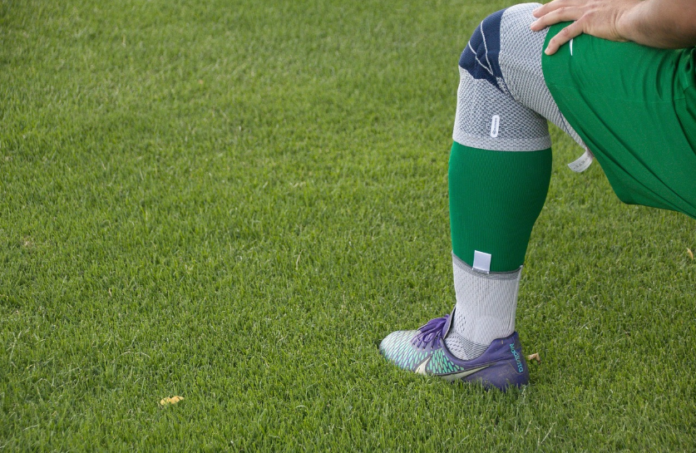
Whether you enjoy weekend football matches, competitive tennis, or daily morning runs, maintaining your physical stamina requires a strong and reliable foundation. Lower body joint health is absolutely critical for sustaining these demanding activities over the years. Consistent movement, balanced nutrition, and adequate sleep are part of building long-term health wealth, but ignoring joint vulnerabilities can quickly lead to an invisible health debt that typically surfaces in midlife. Among the most frequent setbacks for highly active individuals are severe knee traumas. In fact, major structural damage like ligament ruptures accounts for up to 64 percent of all knee-related athletic injuries. Overcoming these hurdles requires careful attention to detail and a commitment to proper healing protocols.
The Hidden Risks of Rushing Recovery
When an active person faces a severe knee ligament tear, the immediate urge is often to get back onto the field or court as quickly as possible. However, rushing this process jeopardises long-term joint stability. Clinical data indicates that approximately 30 percent of patients who prematurely return to high-impact, pivoting sports experience a secondary tear or reinjury, forcing them back to square one. Furthermore, recent analyses show that nearly half of these patients are at risk of developing early-onset knee osteoarthritis within 12 to 14 years if post-operative joint stability is not aggressively managed.
Even with a successful surgical intervention, the joint is not automatically ready for intense physical stress. A comprehensive 2024 review in Frontiers in Bioengineering and Biotechnology notes that standard surgical grafts often lack the intrinsic biological and biomechanical attributes of the native ligament, such as specific multi-bundle fibre arrangements and stress-strain behaviours. Because the new tissue does not behave exactly like the original ligament, the knee requires extended, biologically informed rehabilitation to compensate for these missing properties, regain true mechanical stability, and prevent lasting structural deterioration.
Targeted Rehabilitation and Clinical Support
Modern sports medicine has definitively shifted away from simple time-based healing milestones. Today, the focus is entirely on Criterion-Based Rehabilitation. Specialists require patients to pass rigorous biomechanical stress tests, such as single-leg hop assessments and strength asymmetry evaluations, before they are cleared for physical exertion. Taking a highly structured approach is essential, which is why engaging in professional ACL injury therapy is a necessary clinical step for fully restoring joint function safely. This targeted intervention ensures that your surrounding muscles learn to act as dynamic stabilisers, making up for the lost biomechanical properties of the native tissue.
Timing is equally critical for your long-term wellness. Preclinical studies from orthopaedic researchers reveal that delaying structured repair and physical therapy leads to prolonged immune cell activity in the joint, significantly heightening the risk of chronic inflammation. By working with dedicated professionals, patients benefit from modern frameworks (such as the international Aspetar clinical guidelines used by premier clinics in Bangkok) that prioritise measurable biomechanical tracking over traditional, subjective recovery estimates.
Practical Steps to Restore Joint Mobility
Rebuilding your knee strength after a severe setback is a multi-phase journey. It requires patience, consistency, and a deliberate focus on retraining the central nervous system to restore joint awareness. During the late stages of recovery, several key exercises and tracking methods become invaluable for a safe return to high-impact environments.
To safely rebuild knee capacity and protect against future injuries, rehabilitation experts recommend focusing on the following critical areas:
- Targeted Muscle Strengthening: Focused exercises that build the quadriceps and hamstrings are vital. A 2025 systematic review confirmed that these specific muscles bear the brunt of the load during sudden deceleration, protecting the knee from excessive strain.
- Neuromuscular Training: This involves balancing and coordination drills that help the nervous system properly react to sudden directional changes on uneven surfaces. Strict proprioceptive training is mandated in late-stage recovery to prevent awkward landings.
- Supervised Plyometrics: Bounding, jumping, and controlled landing exercises dramatically improve leg power. A recent clinical study at Chulalongkorn University demonstrated that an eight-week supervised plyometric programme during the return-to-sport phase boosted post-operative knee muscle strength by 42 to 116 percent.
- Standardised Readiness Tracking: Advanced clinics now use tools like the Thai version of the ACL-RSI scale (validated by Mahidol University researchers in 2025) to measure both physical power and psychological readiness, ensuring you feel truly confident before stepping back into action.
Safely rebuilding knee strength is about much more than just resting until the pain fades. It involves actively retraining the body to handle the dynamic, unpredictable stresses of a fulfilling, active lifestyle. The recovery journey demands resilience, but the reward is a stronger, more capable body. By prioritising structured rehabilitation, following modern biomechanical protocols, and building supportive daily habits, you can protect your lower joints and maintain your physical stamina for decades to come.