


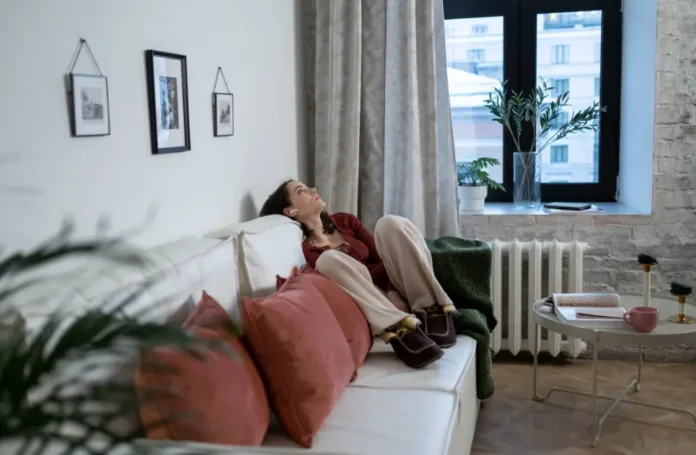
Winter has a way of exposing every weak spot in a home. A drafty window suddenly feels unbearable, footsteps on a hard floor echo louder than usual, and a house that felt fine in October can feel cold and noisy by December. Most homeowners assume comfort comes down to simply turning up the thermostat, but real warmth and quiet come from a combination of smart, specific changes throughout the house. The good news is that these changes do not require a full renovation to make a noticeable difference.
Comfort during the colder months is really about three things working together: warmth, quiet, and a feeling of coziness that makes a home pleasant to spend time in. A house can be warm but still feel harsh and echoey if hard surfaces dominate every room. It can also be quiet but still feel cold if the heating system is outdated or inefficient. True comfort happens when all three elements are addressed at once, rather than treating temperature as the only thing that matters.
This guide walks through seven practical changes that genuinely improve how a home feels during winter, based on what works in real homes rather than guesswork. Some of these changes involve the systems hidden behind walls and under floors, while others are as simple as adding the right textures to a room. Each one solves a specific problem that tends to get worse once the weather turns cold, from drafty rooms to echoing hardwood floors.
Throughout this article, professionals who work directly with heating systems, flooring, and interior textiles share what they have learned from real projects and real homeowners. Their insight reflects years of hands-on experience solving exactly these kinds of winter comfort problems. Their advice, combined with a few other proven strategies, offers a clear and practical roadmap for anyone hoping to turn their home into a warmer, quieter, and genuinely cozier place this season.
1. Keep the Heating System Running Efficiently
A home’s comfort starts with its heating system, yet many homeowners only think about it once something breaks down. An aging or poorly maintained furnace does not just struggle to produce heat, it often runs louder and less efficiently than a properly serviced system. That extra noise and wasted energy quietly chip away at how comfortable a home feels all winter long.
Jeff Jennings, Owner of Strong Heating and Cooling LLC, has seen firsthand how a well maintained heating system changes both the sound and feel of a home.
“A cold, noisy home usually traces back to a heating system working harder than it should. We replaced an old, rattling furnace for a family last winter, and their house went from loud and drafty to quiet within one visit. Their energy bill also dropped nearly 20 percent once the new system started running efficiently. A well maintained furnace does more than heat a home, it makes the whole house feel calmer.”
Scheduling a tune-up before the coldest months arrive is one of the simplest ways to improve comfort without spending a large amount of money. A quiet, efficient furnace sets the foundation that every other comfort upgrade builds on top of.
2. Seal Drafts Around Windows and Doors
Even a strong heating system cannot fully compensate for cold air sneaking in through gaps around windows and doors. These drafts often go unnoticed because they are small, yet they can make entire rooms feel chilly no matter how high the thermostat is set. Simple weatherstripping and caulking are inexpensive fixes that make an immediate difference in comfort.
Older homes are especially prone to this problem, since window and door frames tend to shift and gap over time. A quick check with a lit candle near these areas can reveal exactly where cold air is entering a room. Sealing these small gaps before winter fully arrives often delivers one of the best returns of any comfort upgrade on this list.
3. Choose Flooring That Holds Onto Warmth and Sound
Hard flooring can make a home feel cold and noisy at the same time, especially once winter sets in and heating systems work overtime. Thin laminate, tile, and worn hardwood do very little to hold onto warmth or absorb sound, which means every footstep and every draft feels more noticeable. The right flooring choice can quietly transform how an entire room feels.
Cameron Christie, Co-Founder of Luxury Flooring, has watched this pattern repeat itself across countless homes and understands how flooring affects both warmth and noise.
“Hard floors can make an entire home feel colder and echo with every footstep during winter months. We helped a customer swap old tile for engineered wood with a soft underlay, and she said her living room felt instantly warmer and quieter. Sound bounces far less off warm, textured flooring than it does off cold, hard surfaces. The right floor change can transform how a whole room feels, not just how it looks.”
Homeowners dealing with cold, echoey rooms should treat flooring as more than a style decision. The right material and underlay combination genuinely changes how warm and quiet a space feels, not just how it looks in photos.
4. Layer in Rugs for Warmth and Sound Control
Rugs do far more work in a home than most people realize, especially during the colder months. A bare hardwood or tile floor allows heat to escape and sound to bounce freely around a room, both of which make a space feel less comfortable. Adding the right rug can solve both problems at once, trapping warmth near the floor while softening noise throughout the room.
Ariel Basalely, Owner of Eliko Rugs by David Ariel, has seen how the right rug can completely change the feel of a room during winter.
“A rug does more work in a room than most people realize, especially once winter sets in. We placed a thick hand-knotted rug in a client’s living room, and she told us it cut the echo from her hardwood floors almost completely. Rugs trap warmth near the floor while softening every sound that used to bounce around the room. One well-chosen rug can make a cold, noisy space feel instantly calmer and more inviting.”
A thoughtfully placed rug is one of the fastest, most affordable ways to add warmth and reduce noise without any construction or major investment. Thick, dense rugs tend to perform the best in rooms with hard flooring that struggles to hold heat.
5. Use Heavy Curtains to Block Cold and Noise
Windows are one of the biggest sources of both heat loss and outside noise in most homes, yet curtains are often chosen purely for style rather than function. Heavy, lined curtains act as an extra layer of insulation, trapping warm air inside a room while also muffling sound from outside. Closing these curtains at night can noticeably reduce how much heat a room loses while people sleep.
This upgrade costs relatively little compared to its impact, especially in older homes with single-pane windows that struggle to hold heat on their own. Pairing heavy curtains with proper window sealing creates a combined effect that keeps both cold air and outside noise from disrupting the comfort of a room.
6. Add Soft Textiles Throughout Living Spaces
Hard surfaces throughout a home, from countertops to bare walls, tend to make rooms feel colder and noisier than they actually are. Soft textiles like throw blankets, upholstered furniture, and fabric wall hangings absorb sound and add a visual sense of warmth that hard surfaces cannot provide. A room filled with soft materials simply feels cozier, even before the thermostat changes at all.
Small additions like these do not require a major renovation or a large budget to make a real difference. Homeowners can gradually layer in textiles throughout the winter season, adding warmth and comfort one room at a time without overwhelming a space all at once.
7. Keep Air Moving with a Smart Thermostat
A smart thermostat might seem like a small addition, but it plays a major role in keeping a home consistently comfortable throughout the day. These devices learn a household’s schedule and adjust temperatures automatically, preventing the extreme swings between too cold and too warm that make a home feel inconsistent. Over an entire winter, this kind of steady temperature control adds up to real comfort and real savings.
Installation is usually quick and affordable, making this one of the easiest upgrades on this entire list to complete in a single afternoon. Combined with a well maintained heating system, a smart thermostat helps every other comfort upgrade in this guide work even more effectively.
Bringing It All Together for a Cozier Home
The seven changes covered in this guide all work toward the same goal, even though they focus on different parts of a home. A well maintained furnace, sealed windows, warmer flooring, a thoughtfully placed rug, heavy curtains, soft textiles, and a smart thermostat each solve a specific piece of the comfort puzzle. Together, they create a home that feels genuinely warmer, quieter, and cozier rather than one that simply has the heat turned up higher.
Homeowners who tackle even a few of these changes before winter fully sets in tend to notice the difference immediately. A quieter furnace, a draft-free window, or a single well-placed rug can transform how a room feels without requiring a major renovation or a large financial investment. That is the real lesson shared by every expert in this guide. Comfort during winter comes from thoughtful, specific changes, not simply cranking up the thermostat and hoping for the best.
