


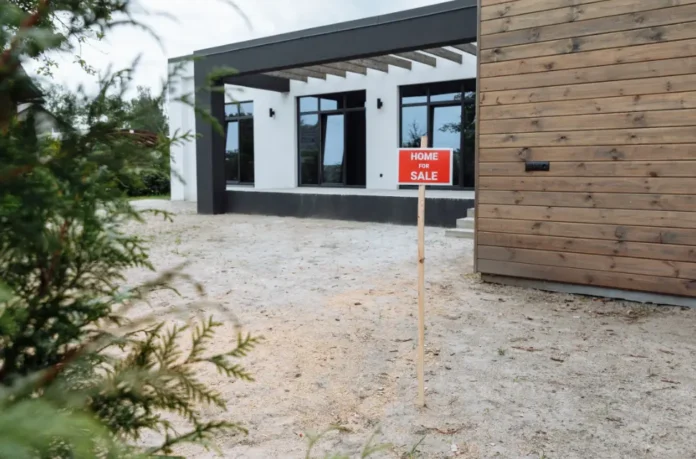
Selling a house quickly used to mean one thing, call a real estate agent and hope the right buyer showed up fast. In 2027, homeowners have far more choices than that, and each option comes with its own trade-offs between speed, price, and effort. Some sellers need cash in hand within days because of a job move, a divorce, or a financial emergency. Others have more time and simply want to walk away with the highest possible price, even if that means waiting a few extra months.
Choosing the wrong selling method can cost a homeowner real money, real time, or both. A seller who lists with an agent expecting a quick sale may end up frustrated when showings drag on for weeks with no offers. A seller who jumps at the first cash offer without comparing options might leave thousands of dollars on the table unnecessarily. Understanding exactly what each selling method actually offers is the first step toward making a confident, informed decision.
This guide breaks down seven real options available to homeowners trying to sell fast in 2027, from traditional agents to cash buyers to fix and flip investors. Each option solves a different kind of problem, whether that problem is a tight timeline, a property that needs major repairs, or a seller who simply wants the entire process handled without stress. Knowing the strengths and limits of each path helps homeowners avoid a decision they later regret.
Throughout this article, professionals who work directly with home sellers every day share what they have learned from real transactions. Their experience spans multiple states and property types, from inherited homes to rental properties with difficult tenants. Their insight offers a clear, practical roadmap for any homeowner trying to figure out which selling method actually fits their situation best.
1. Selling Through a Traditional Real Estate Agent
A traditional agent remains the most familiar selling method, and for homeowners with time and a move-in ready property, it often delivers the highest sale price. Agents list a home on the open market, coordinate showings, and negotiate with multiple potential buyers at once. This process can take anywhere from several weeks to several months, depending on the local market and how quickly a buyer secures financing.
The tradeoff with this route is time and effort. Sellers typically need to make repairs, stage the home, and keep it ready for showings at a moment’s notice. For homeowners who are not in a rush and want top dollar for a well maintained property, this remains a strong choice, though it can become a source of stress for those facing a tight deadline.
2. Selling to a Local Cash Home Buyer
Cash home buyers purchase properties directly, often closing within one to two weeks instead of months. These buyers typically do not require repairs, inspections, or financing contingencies, which removes many of the delays that slow down a traditional sale. This option works especially well for sellers dealing with inherited property, difficult tenants, or homes that need more repair work than they want to manage themselves.
Michael Anderson, Owner of Fast Cash Home Buyer, works directly with homeowners across Charlotte who need a fast, no-hassle exit from a problem property.
“We get calls every week from landlords who are simply done dealing with a problem property they no longer want to manage. One owner had a tenant who stopped paying rent and trashed the unit, and he wanted out completely without any more hassle. We closed on that house in nine days, cash in hand, with zero repairs required on his part. Selling as-is to a local buyer turns a headache property into a closed chapter almost overnight.”
This kind of fast, no-repair sale will not always match the price a well staged home might earn on the open market, but it remains one of the most dependable options for sellers prioritizing speed and simplicity.
3. Selling As-Is Without Any Repairs
Selling as-is means listing or offering a home exactly in its current condition, without investing time or money into fixes beforehand. This approach saves sellers from the upfront cost and hassle of renovations, which can be especially valuable for older homes or properties with significant deferred maintenance. Both cash buyers and some traditional buyers will consider as-is properties, though the pool of interested traditional buyers tends to shrink as needed repairs grow larger.
Carl Fanaro, CEO of NOLA Buys Houses, has purchased more than 1,200 houses over 23 years and has seen firsthand how selling as-is removes stress from an already difficult situation.
“After 23 years and over 1,200 houses purchased, I have learned that stress usually comes from uncertainty, not the sale itself. One widow in New Orleans needed to close within two weeks before moving out of state, and we got it done without a single repair on her end. She walked away with cash in hand and zero stress about fixing anything first. Selling fast does not have to mean settling, it just means working with people who move at your pace.”
Selling as-is works best for sellers who value certainty and speed over maximizing every possible dollar, removing the guesswork of estimating repair costs entirely.
4. Working With a Fix and Flip Investor
Fix and flip investors buy homes specifically to renovate and resell them, often at a profit margin that reflects the work and risk involved. These investors typically pay less than full retail market value, since they are factoring in renovation costs, holding costs, and the time it takes to complete a resale. In exchange, sellers get a fast, straightforward transaction without needing to manage any repairs or showings themselves.
This option works particularly well for homes that need extensive renovation, since most traditional buyers avoid properties requiring major structural or cosmetic work. Sellers trade a lower sale price for the ability to walk away from a property that might otherwise sit on the market for months.
5. Creative, Off-Market Deal Structures
Not every sale fits neatly into a traditional listing or straight cash purchase. Creative deal structures, including lease options, seller financing, or wholesale arrangements, can solve unique problems that standard selling methods cannot address. These approaches often work best for sellers facing complicated situations, such as properties with liens, unusual ownership structures, or tenants with existing leases.
Austin Glanzer, Owner of 717HomeBuyers, has structured hundreds of deals across Central Pennsylvania and understands how flexible solutions can serve sellers that standard options cannot.
“A lot of sellers assume cash offers always mean a lowball number, and that has not been my experience building this business. We structured a deal for an inherited property where the heirs needed speed more than a bidding war, and we closed in twelve days at a fair price both sides felt good about. That family walked away able to move forward instead of managing repairs from three states away. The right offer is not always the highest number, it is the one that actually solves your problem.”
Creative deal structures require working with an experienced, trustworthy buyer, since these arrangements are more complex than a standard sale.
6. A Direct Offer Built Around Your Timeline
Sometimes the biggest obstacle to selling fast is not the property itself, but a seller’s specific timeline. A new job, a military transfer, or a family emergency can create a deadline that a traditional listing simply cannot meet. Direct buyers who build their offer around a seller’s exact timeline, rather than a standard closing schedule, can solve this problem effectively.
Lane Forhetz, Founder of Fast Lane Real Estate, has helped homeowners across Missouri navigate exactly this kind of time-sensitive situation since 2012.
“Since 2012 I have watched sellers assume an agent is always the best route, and sometimes it simply is not. One homeowner needed to relocate for a new job in three weeks, and a traditional listing would have missed that window entirely. We made a direct cash offer, closed on their timeline, and they started their new job without a mortgage hanging over their head. Speed and certainty matter just as much as price when life does not wait for a slow closing.”
For sellers facing a genuine deadline, a flexible buyer willing to close on a specific date can matter more than squeezing out every last dollar.
7. An iBuyer or Instant Online Offer Platform
Online iBuyer platforms allow homeowners to request an instant offer by submitting property details through a website, often receiving a preliminary number within 24 to 48 hours. These platforms use automated pricing models combined with a brief home inspection to generate an offer, and closing can happen in as little as one to two weeks. This option appeals to sellers who want a fast, tech-driven process without negotiating directly with an individual buyer.
The tradeoff is that iBuyer offers often come with service fees that run higher than a traditional agent commission. This option tends to work best for homes in good condition located in markets where these platforms are actively operating.
Choosing the Right Path Forward
Each of these seven options solves a different problem, and no single method is automatically the best choice for every homeowner. A seller with time, a well maintained home, and no urgent deadline may still find the highest return through a traditional agent. A seller facing a tight timeline, inherited property, or a home needing significant repairs will likely find more value in a cash buyer, fix and flip investor, or creative deal structure instead.
The common thread running through every expert featured in this guide is the importance of matching the selling method to the actual situation, rather than defaulting to whatever option feels most familiar. Speed, certainty, and simplicity matter just as much as price for many sellers, especially those navigating a major life change. Homeowners who take the time to understand all seven paths before choosing one are far more likely to walk away from the sale feeling confident rather than regretful. That clarity, more than any single selling method, is what actually makes a fast sale a successful one.