



Key Takeaways
- Start with ownership records, loan information, taxes, and community paperwork.
- Find out whether the home is handled as personal property or as part of real estate.
- Address safety issues and visible maintenance concerns before spending money on major upgrades.
- Review lot rent, park approval rules, liens, and the proposed closing terms early.
- Compare selling paths by considering timing, repairs, costs, and convenience, not price alone.
Selling a mobile home in Arlington, Texas, can be much smoother when preparation begins before the home is advertised or an offer is accepted. Owners who need to sell mobile home for cash in Arlington, TX may have different priorities than sellers who have time for listings and showings, but both groups benefit from having clear records and realistic expectations.
Arlington homeowners also face practical local considerations. North Texas heat can make air-conditioning performance important, while strong rain, wind, and hail can expose roof, siding, drainage, and skirting problems. A thoughtful review of the home and its paperwork can reduce surprises when a buyer, lender, community manager, or closing professional begins asking questions.
Why Selling a Mobile Home in Arlington Takes Planning
A manufactured or mobile home sale does not always follow the same path as a conventional house sale. The process may depend on whether land is included, whether the home sits in a leased community, whether there is an active loan, and how ownership is recorded. If the home is in a park, the buyer may need community approval before taking over the lot.
These details affect timing. A missing ownership document, unpaid tax balance, unreleased lien, or unclear rule about keeping the home in place can delay a transaction. Checking these items first gives the seller time to correct issues without feeling pressured by a pending closing date.
For owners comparing local options, Jeff Buys Mobile Homesin Fort Worth, TX is one example of a direct-purchase route to evaluate alongside a private sale, a dealer-assisted sale, or help from a qualified real estate professional.
Step 1: Confirm Exactly What You Own
Locate the current Statement of Ownership and compare its details with the home itself. Check the owner names, serial number, manufacturer information, HUD label or Texas seal details when available, and the physical location. If names have changed because of marriage, divorce, inheritance, or another event, address that discrepancy before signing an agreement.
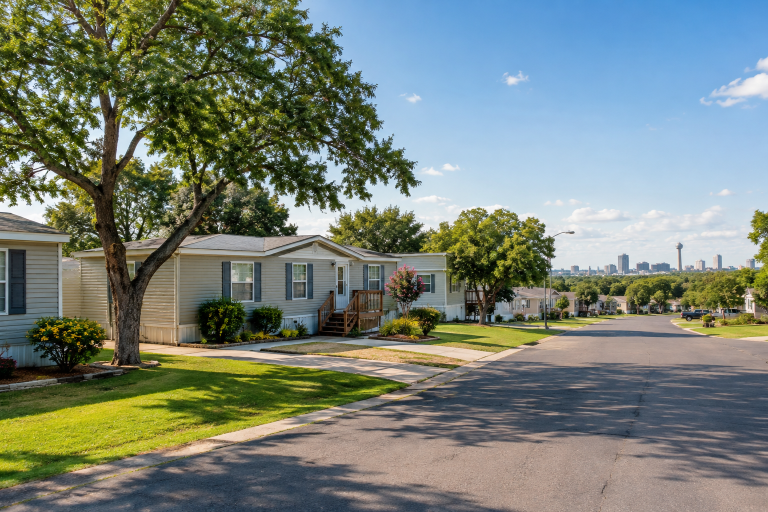
Also determine whether the home is treated as personal property or has been converted and attached to real estate. That distinction can affect the documents used, the parties involved in closing, tax questions, and the way a buyer finances the purchase. Do not assume the answer based only on whether the home has a permanent foundation or utility connections.
Step 2: Build a Document Folder
Collect records in one paper folder or clearly labeled digital folder. Having them ready makes it easier to answer buyer questions and identify missing items early.
Helpful documents to gather
- Current Statement of Ownership and purchase records, if available.
- Loan payoff information and contact details for the lender.
- Any lien release paperwork.
- Recent tax notices, receipts, or account information.
- Park lease, residency agreement, lot rent statement, and community rules.
- Insurance records, repair receipts, appliance paperwork, and warranties.
- Records for additions such as porches, sheds, decks, awnings, or carports.
Before a sale, review the county’s manufactured housing guidance because Tarrant County notes that ownership changes can be affected by released liens and taxes paid through the date of sale.
Step 3: Check Liens, Taxes, and Park Rules
Ask the lender for a current payoff amount if money is still owed on the home. A payoff figure may change over time, so request it close enough to the expected closing period that it remains useful. Sellers should also check for unpaid taxes and confirm whether any lien has been properly released.
If the home is in a manufactured home community, contact the park office directly. Ask whether the buyer must apply, whether there are application or transfer fees, whether lot rent must be current, and whether the home can remain in the community after the sale. Get important answers in writing when possible.
Step 4: Inspect Without Overspending
A seller does not need to renovate every room to prepare a home for sale. Begin with a practical walkthrough focused on safety, functionality, and obvious condition issues. Test plumbing fixtures, lights, outlets, smoke alarms, heating, and cooling. Look for soft flooring, roof stains, damaged siding, loose steps, missing skirting, or water entry around windows and doors.
In Arlington, pay close attention to drainage near the home, signs of hail or wind damage, and the condition of cooling equipment. Take dated photographs of existing defects. Clear documentation can help prevent later confusion about what was visible before the sale.
Step 5: Make Repairs That Matter Most
Prioritize problems that affect safety or daily use. Active plumbing leaks, broken stairs or railings, exposed wiring, damaged flooring, and roof leaks generally deserve attention before cosmetic projects. Then consider low-cost improvements such as deep cleaning, removing clutter, replacing burned-out bulbs, trimming overgrowth, and making entry areas easy to access.
For example, fixing a leaking bathroom fixture and clearing a blocked walkway may be more useful than installing expensive cabinets shortly before selling. Keep receipts for completed work, especially for roof, HVAC, plumbing, or electrical service.
Step 6: Set a Realistic Price and Compare Selling Paths
Look at similar homes in the same community or nearby Arlington areas, while accounting for age, size, condition, included appliances, lot rent, and whether the buyer must move the home. Asking prices can be useful context, but completed sales and actual offers provide a clearer picture of buyer demand.
When comparing options, consider the full result:
- Private sale: Greater control, but more responsibility for advertising, showings, negotiation, and paperwork.
- Professional representation: Potential help with marketing and contracts, though fees and preparation requirements may apply.
- Direct purchase: Potentially fewer showings and a simpler timeline, but every offer and closing term still needs review.
- Park or dealer assistance: May connect with familiar buyers, but community procedures can shape the transaction.
Review Every Offer Beyond the Price
Before signing, read the proposed closing date, inspection terms, financing conditions, repair requests, and responsibility for taxes, lot rent, transfer fees, and moving costs. Confirm whether the buyer expects the home to stay in the park and what happens if the community does not approve the buyer. Every important promise should appear in writing.
Texas sellers should also understand that ownership and licensing questions can differ depending on whether real estate is involved. The Texas Real Estate Commission explains that selling a manufactured home without real estate may involve separate licensing rules, so sellers should verify the current requirements for their specific situation.
A Simple 30-Day Preparation Plan
- Days 1 to 5: Gather ownership, tax, loan, and park records.
- Days 6 to 10: Check liens, payoff figures, unpaid balances, and buyer approval rules.
- Days 11 to 15: Inspect the home and document safety or maintenance concerns.
- Days 16 to 20: Complete sensible repairs, clean thoroughly, and remove excess belongings.
- Days 21 to 25: Review local pricing and compare sale options.
- Days 26 to 30: Evaluate offers, verify closing details, and keep copies of signed documents.
Final Checklist Before Closing
Remove personal belongings from the home, shed, and storage areas. Complete agreed repairs, leave keys and access devices as required, confirm utility dates, and verify that payment instructions are legitimate. Most importantly, do not sign documents you do not understand. Careful preparation gives Arlington sellers more control over the process and helps turn a complicated mobile home sale into a manageable plan.