


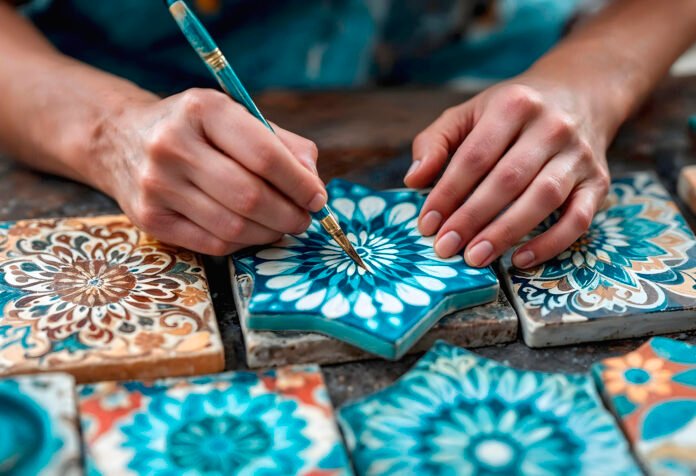
When it comes to transforming a space through tilework, the choice between hand-cut zellige tile and machine-cut tile can significantly impact the final aesthetic and functional outcome. Each tile type offers distinct advantages and characteristics that align with specific design philosophies and practical requirements. This article delves into the nuances of these two types of tiles, focusing on their aesthetic differences, durability, and maintenance needs. You’ll also gain insights into how these factors can guide your decision-making process when selecting the ideal tile for your interior design project.
Hand-Cut Zellige Tile Versus Machine-Cut Tile
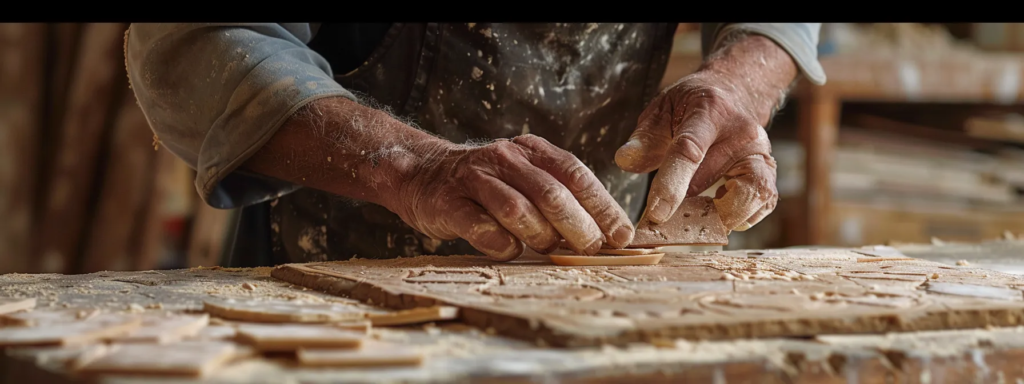
Hand-cut zellige tiles are renowned for their irregular shapes and unique textures, achieved through traditional craftsmanship. This method contrasts sharply with machine-cut tiles, which are produced using precision technology, often involving CAD (Computer-Aided Design) Software for exact specifications. The handmade approach results in each zellige tile having its own character, contributing to a richly textured surface that enhances the visual interest of a space. On the other hand, machine-cut tiles offer uniformity and precision, ideal for projects requiring high repetition and consistency.
While hand-cut zellige tiles might vary slightly in size, their artisanal nature creates a one-of-a-kind look that is particularly valued in spaces aiming for a rustic or bespoke aesthetic. In contrast, the consistency of machine-cut tiles is perfect for modern or minimalist designs where symmetry and exactness are paramount. Evaluating these differences is crucial when considering how each tile type aligns with your design goals and the overall mood board of the project.
To explore more about the unique characteristics of hand-cut zellige tile, visit the hand-cut zellige tile collection.
Exploring the Aesthetic Differences
The aesthetic appeal of hand-cut zellige tile lies in its imperfection and variation, which contribute to a dynamic material palette. These tiles are often used in spaces where aesthetic cohesion and a sense of history or artisanship are desired. By comparison, machine-cut tiles, with their precise edges and uniform appearance, are often associated with a clean, modern look. The choice between the two can be influenced by color theory application, where the tones and hues of zellige tiles can create a warm, inviting atmosphere, while machine-cut tiles support a sleek, contemporary feel.
Additionally, the natural glaze and reflective properties of zellige tiles can enhance light within a room, playing into considerations of space planning and light distribution. Meanwhile, machine-cut tiles provide a consistent backdrop that can be a neutral canvas for FF&E elements. The design development phase should consider these visual impacts to align the selected tile with the overall design narrative.
For further details on how tiles influence interior aesthetics, the Architectural Digest article on tile trends offers valuable insights.
Durability and Maintenance Considerations
Durability is a crucial factor when selecting tile, and each type offers different levels of resilience and maintenance requirements. Hand-cut zellige tiles, while beautiful, are more porous and may require sealing to prevent staining and water damage, making them a better fit for walls or low-traffic areas. Machine-cut tiles, often made from materials such as porcelain or ceramic, are typically more durable and better suited for high-traffic areas or floors due to their density and lower porosity.
Maintenance is another consideration; zellige tiles may require more frequent attention to maintain their appearance, while machine-cut tiles are generally easier to clean and maintain over time. During the site analysis phase of a project, it’s important to consider these factors alongside the finish schedule to ensure the longevity and practicality of the chosen tile.
To learn more about tile durability, consider reading this Tile Magazine overview.
Choosing the Right Tile for Your Space
Deciding between hand-cut zellige tile and machine-cut tile involves evaluating how each aligns with the functional and aesthetic needs of your space. Consider the schematic design and the intended role of tiles in your project. For spaces that prioritize aesthetic impact and tactile elements, zellige tiles may provide the desired effect. Conversely, if durability and low maintenance are top priorities, especially in high-traffic areas, machine-cut tiles might be more suitable.
Ergonomics and acoustic treatment can also play a role in tile selection. The texture and finish of zellige tiles can contribute to acoustic absorption, beneficial in rooms where sound control is important. Meanwhile, the hard, smooth surfaces of machine-cut tiles may require additional acoustic treatments to manage sound reflection. By aligning your choice with the specific needs of the space, you can achieve both functional and aesthetic success.
Conclusion
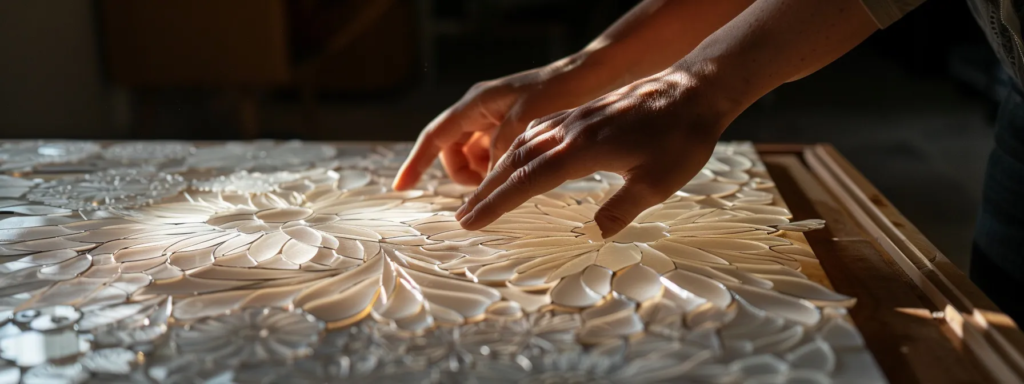
The choice between hand-cut zellige tile and machine-cut tile hinges on your specific design and functional goals. Each type offers unique benefits, from the artisanal charm of zellige to the precision and durability of machine-cut tiles. For your design projects, understanding these differences ensures a selection that enhances both the aesthetic and practical aspects of the space.