


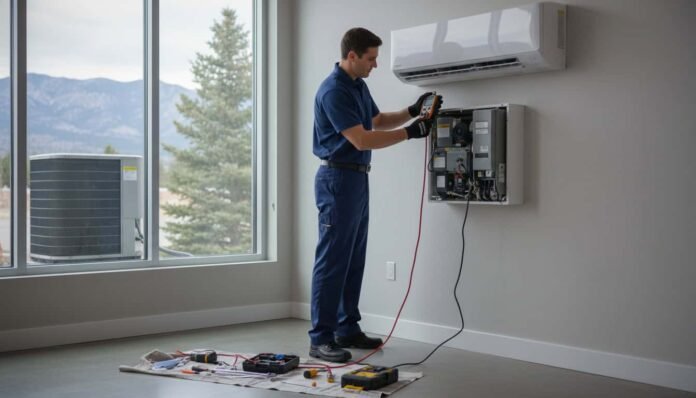
Uneven heating is common in large homes because warm air has to travel farther and serve rooms with different layouts, ceiling heights, window exposure, and insulation levels. One room may feel comfortable while another stays chilly, even when the heating system runs often. This problem can lead to thermostat arguments, higher utility bills, and extra strain on equipment. An HVAC contractor helps by finding the cause of temperature imbalance and recommending practical corrections. With proper airflow, controls, ductwork, and system adjustments, large homes can feel warmer, steadier, and more comfortable throughout the colder months.
Balancing Large Home Heat
- Checking How Heat Moves Through the Home
An HVAC contractor begins by studying how heat moves throughout the entire home rather than focusing only on the thermostat. Large homes often have long duct runs, multiple floors, open living areas, rooms over garages, tall ceilings, and spaces that receive different amounts of sunlight. These details affect how quickly each room warms up and how long it holds heat. A contractor may measure room temperatures, inspect supply vents, check return airflow, review thermostat placement, and look for patterns in where the cold areas appear. Homeowners in Wesley Chapel, FL, may also need heating systems that work well during cooler periods while still fitting homes designed primarily for warm-weather comfort. This full-home review matters because uneven heating may stem from airflow, insulation, duct leaks, zoning issues, or equipment sizing. Finding the root cause helps avoid simple adjustments that do not address the underlying issue.
- Inspecting Ductwork for Leaks and Restrictions
Ductwork is one of the most important parts of heating performance in a large home. If ducts are leaking, loose, crushed, poorly insulated, or too small for the distance they serve, warm air may never reach certain rooms with enough strength. A room far from the furnace or air handler may stay cold because much of the heat is lost before it arrives. An HVAC contractor can inspect accessible ducts, check air pressure, look for damaged connections, and identify areas where heat is escaping into attics, crawl spaces, or wall cavities. Duct sealing, insulation, or layout changes may be recommended when delivery problems are found. This work helps more warm air reach the living space instead of being wasted in hidden areas. Improved duct performance can reduce long-run times, improve room-to-room comfort, and help the heating system operate under less strain during daily use.
- Adjusting Airflow and Return Paths
Uneven heating can happen when warm air enters a room but does not circulate properly. Supply vents bring heated air in, while return air pathways draw cooler air back into the system so it can be reheated. If return vents are missing, blocked, undersized, or poorly placed, some rooms may feel stuffy, cold, or disconnected from the rest of the home. An HVAC contractor can check whether each area has enough supply and return movement. They may adjust dampers, open blocked vents, balance airflow, or recommend added returns where needed. In large homes, air balancing can make a noticeable difference because some rooms naturally receive more air than others. Proper airflow also reduces pressure problems inside the duct system. When warm air moves in a smoother cycle, the system can heat rooms more evenly without forcing homeowners to keep raising the thermostat.
- Improving Zoning and Thermostat Control
Large homes often benefit from better control because one thermostat may not represent the temperature in every area. If the thermostat is located in a warm hallway or sunny room, the heating system may shut off before colder bedrooms or distant rooms reach a comfortable level. An HVAC contractor can review thermostat location and recommend zoning solutions when needed. Zoning uses separate controls and dampers to manage different areas of the home more accurately. For example, upstairs bedrooms, downstairs living areas, and finished basements may each need different heating schedules. Smart thermostats or remote sensors may also help track room comfort in hard-to-balance rooms. Better controls prevent one part of the home from overheating while another remains cold. This supports comfort and energy savings because the heating system responds to real household needs instead of one limited reading from a single wall location.
- Reviewing Insulation and Heat Loss
Sometimes uneven heating is not caused by the heating equipment alone. Large homes can lose heat through weak attic insulation, drafty windows, poorly sealed doors, thin wall insulation, or gaps around recessed lighting, plumbing, and wiring. Rooms with more outside walls or large windows may cool faster than interior rooms. An HVAC contractor can identify signs of heat loss that affect system performance and may recommend air sealing, insulation improvements, or duct insulation in certain areas. This is important because a heating system can only do so much if the home is constantly losing warmth. Fixing heat loss helps rooms hold temperature longer and reduces the need for repeated heating cycles. It also helps protect equipment from running longer than necessary. When the home itself holds heat better, the system can maintain a more even indoor environment with less effort.
An HVAC contractor helps fix uneven heating in large homes by checking airflow, ductwork, returns, thermostat placement, zoning needs, insulation, and heat loss. Large homes often have comfort challenges because warm air must travel farther and serve spaces with very different conditions. A careful inspection helps identify whether the issue comes from poor air delivery, leaking ducts, weak controls, or rooms that lose heat too quickly. Correcting these problems can make the home feel more balanced, reduce energy waste, and protect heating equipment from extra strain. With the right adjustments, every room can feel more comfortable.