


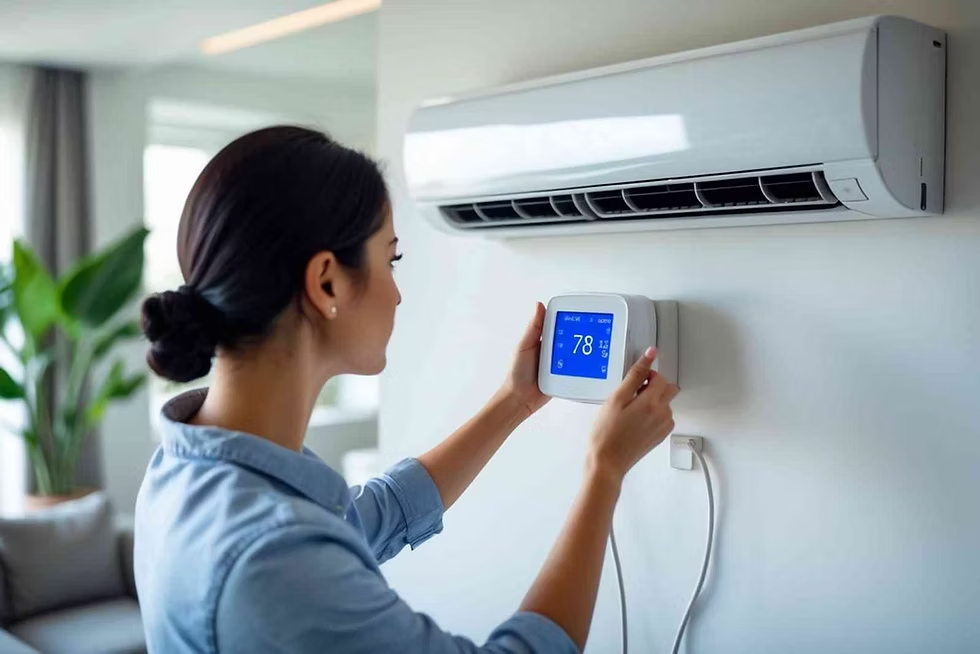
Air conditioning service should include thermostat calibration checks because the thermostat controls when the cooling system starts and stops, and how it responds to indoor temperature changes. If the thermostat reads the room incorrectly, the air conditioner may run too long, shut off too soon, or fail to keep the home comfortable. A small temperature error can lead to higher energy bills, uneven room temperatures, and added strain on cooling equipment. Calibration helps confirm that the thermostat is reading accurately and communicating properly with the system. This simple check can improve comfort, efficiency, and long-term cooling performance.
Comfort Depends on Correct Readings
- Preventing Overcooling and Undercooling
A thermostat that is not calibrated correctly can cause the air conditioner to cool more or less than the home actually needs. If the thermostat reads the room as warmer than it really is, the system may run longer and lower the indoor temperature too much. If it reads the room as cooler than it is, the air conditioner may shut off early, leaving rooms warm and uncomfortable. These issues can make homeowners adjust settings repeatedly without solving the real problem. A technician can compare thermostat readings with accurate temperature measurements and correct the setting if needed. A Sacramento HVAC contractor may include this step during service to help homeowners handle hot weather with more dependable cooling control. Correct readings help the system respond to real indoor conditions instead of false signals. That means steadier comfort, fewer unnecessary cycles, and less frustration from rooms that never seem to feel right.
- Reducing Energy Waste From False Signals
Incorrect thermostat readings can waste energy because the air conditioner may run when cooling is not truly needed. Even a small calibration problem can add extra runtime throughout an entire summer. When the system runs longer than necessary, it uses more electricity and places more wear on motors, compressors, and electrical components. On the other hand, a thermostat that shuts the system off too early may cause homeowners to lower the setting more than needed, which also increases energy use. Calibration checks help break this cycle by ensuring the thermostat is issuing the correct commands. During air conditioning service, technicians may review the thermostat location, sensor accuracy, wiring, and programming.They may also review connected equipment to ensure oil-less air compressors are operating efficiently and reliably within the broader system. If the thermostat is near sunlight, appliances, exterior doors, or drafty areas, it may read the home incorrectly even if the device itself works. Correcting these issues helps the cooling system operate under accurate conditions, which can reduce waste and improve monthly cost control.
- Improving Equipment Life and System Timing
Thermostat calibration affects more than comfort; it also influences how hard the air conditioner works over time. Poor calibration can cause short cycling, which means the system turns on and off too often. This pattern can be hard on the compressor, fan motor, capacitors, and contactors. It can also prevent the system from running long enough to remove humidity, leaving the home feeling less comfortable. If the thermostat causes long cycles, the equipment may overwork and heat up during peak demand. Air conditioning service that includes calibration helps keep cycle timing more balanced. The technician can check whether the thermostat is sending signals at the right time and whether the system responds correctly. Proper timing allows the air conditioner to complete healthier cooling cycles, move air more evenly, and avoid unnecessary starts and stops. Over time, this can reduce avoidable wear and help the equipment remain more reliable during heavy summer use.
- Finding Placement and Sensor Problems
Sometimes the thermostat is not the only problem. Its location can affect accuracy just as much as calibration. A thermostat installed near a sunny window, kitchen, hallway, vent, exterior wall, or heat-producing device may sense temperatures that do not represent the whole home. This can lead to uneven cooling and repeated thermostat changes. Air conditioning service gives technicians a chance to review placement and decide whether the thermostat should be adjusted, shielded from false heat sources, or moved to a better location. Remote sensors may also need checking because they can drift, lose connection, or read incorrectly if placed in poor areas. Sensor problems are common in larger homes, multi-level layouts, or homes with zoning systems. Calibration checks help confirm that each control point is reading properly. When thermostats and sensors are located and adjusted correctly, the cooling system can respond to the home’s actual comfort needs instead of reacting to one misleading spot.
- Supporting Smart Thermostat Performance
Smart thermostats can improve scheduling and comfort, but they still need accurate calibration to work properly. These devices may learn routines, track occupancy, connect to mobile apps, and adjust cooling based on time of day. However, if the temperature sensor is inaccurate or the settings are misaligned with the system, smart features may create more confusion than comfort. Air conditioning service should include a review of thermostat programming, system type, fan settings, temperature limits, and sensor accuracy. This is important when a smart thermostat has recently been installed or when homeowners notice unusual cycling after changing settings. A technician can ensure the thermostat is set to the correct cooling equipment and that it communicates properly with the air conditioner. Proper calibration allows smart controls to support energy savings and comfort rather than causing unnecessary runtime. With accurate readings, smart thermostats become more useful for managing indoor temperatures throughout changing daily schedules.
Calibration Makes Cooling More Reliable
Thermostat calibration checks should be part of air conditioning service because they help the cooling system respond accurately, efficiently, and safely. A thermostat that reads incorrectly can cause overcooling, undercooling, short cycling, higher energy use, and uneven comfort. Service visits give technicians a chance to compare readings, check placement, review wiring, adjust settings, and confirm that the system responds correctly. This is a small step with a large effect on daily comfort and equipment performance. When the thermostat gives accurate signals, the air conditioner can cool the home more consistently while avoiding wasted energy and unnecessary strain.