


Your home can look spotless, smell fresh, and still quietly attract pests. Crumbs under the toaster, damp corners in the bathroom, and tiny gaps around doors can turn into open invitations. If you want a cleaner, healthier living space, pest prevention deserves a place on your home-maintenance list. The good news is that you don’t need extreme routines or mystery sprays. You need practical habits, smart inspections, and a plan that works in real life.
Start With the Spots Pests Love Most
Pests usually move in for the same reasons people do: food, water, and shelter. Your kitchen sits at the top of that list, especially around the sink, pantry, trash can, and appliance edges. Even a few cereal flakes behind the microwave can become a buffet.
Bathrooms also attract insects because moisture builds up fast. Leaky pipes, damp bath mats, and poor ventilation create ideal conditions for roaches and silverfish. Basements, attics, and garages matter too, since they’re often darker, less disturbed, and packed with cardboard boxes.
If you want fewer surprises, inspect these areas once a week. Look for droppings, chew marks, nesting material, grease trails, or unusual smells. It’s not glamorous, but neither is discovering ants marching across your counter like they pay rent.
Know When DIY Stops Being Smart
Store-bought traps and sprays can help with minor issues, but they’re not always enough. If pests keep returning, spread to multiple rooms, or appear in large numbers, the problem may be deeper than what you can see. Nests inside walls, hidden entry points, and moisture damage often require trained inspection.
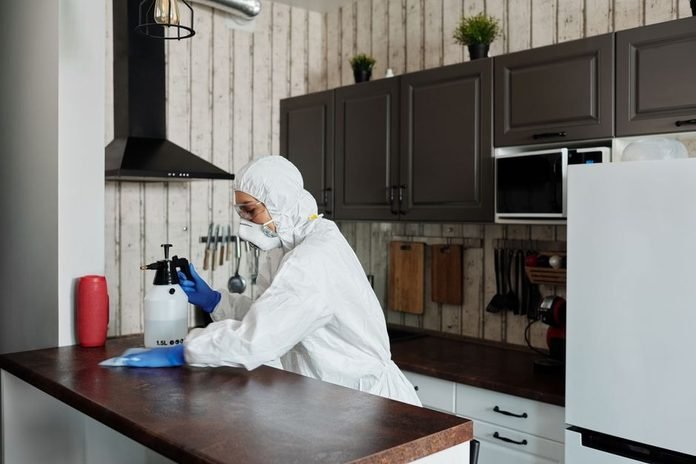
That’s where professional pest control services can make a real difference. A good provider doesn’t just treat the obvious activity. They identify the source, explain contributing conditions, and help you prevent repeat infestations.
This matters even more if you’re dealing with termites, rodents, bed bugs, or recurring roach problems. Those situations can escalate fast and affect both your property and your routine. Getting expert help early usually costs less stress than fighting the same issue over and over with aisle-seven guesswork.
Cut Off Food Sources Before Pests Find Them
The fastest way to make your home less appealing is to control access to food. That means more than wiping the counters after dinner. Open snack bags, pet food bowls left overnight, and sticky recycling bins all help pests settle in.
Use sealed containers for dry goods like cereal, flour, rice, and pasta. Take out the trash regularly, especially if it contains food scraps. Clean under appliances when you can, since hidden crumbs tend to collect there for weeks. If you have pets, store kibble in airtight bins and pick up leftovers after feeding time.
Fruit bowls deserve attention too. Overripe bananas and apples can attract flies before you even notice. The goal isn’t perfection. It’s reducing the easy wins pests look for when they scout your home.
Moisture Control Matters More Than Most Homeowners Realize
A lot of people think pest issues begin with dirt. Often, they begin with water. Many insects need moisture to survive, and some infestations grow quietly because a small leak goes ignored for months.
Check under sinks, behind toilets, near your water heater, and around washing machines. Watch for warped wood, mildew smells, or small stains on walls and baseboards. If your bathroom mirrors stay fogged for ages, better ventilation may be overdue.
You can also make simple upgrades that help right away:
– Fix dripping faucets and running toilets
– Use exhaust fans during and after showers
– Keep gutters clear so water drains away from the house
– Run a dehumidifier in damp basements
– Avoid leaving wet towels or rugs piled up
Dry spaces are less inviting. That small change can disrupt a pest problem before it starts gaining momentum.
Seal Entry Points Like You Mean It
Pests don’t need a dramatic opening. Some can enter through gaps smaller than a coin. Cracks around windows, torn screens, worn door sweeps, and openings where utility lines enter the house are common problem areas.
Walk around your home and inspect it like an uninvited guest would. Check the foundation, garage frame, attic vents, and siding joints. Indoors, look at baseboards, cabinets, and spaces around pipes. Caulk and weatherstripping can solve more than you’d expect.
Pay special attention to doors that don’t fully seal at the bottom. That narrow gap can become a welcome mat for insects and rodents. If you store firewood, keep it away from the house instead of stacked against an exterior wall. That setup gives pests shelter close to your entry points, which is basically curbside service.
Keep Your Yard From Becoming a Launch Pad
What happens outside your home often shapes what shows up inside. Overgrown shrubs, standing water, clogged gutters, and wood piles create ideal staging areas for pests before they move indoors.
Trim plants so they don’t touch your siding or roofline. Branches and dense greenery can act like bridges for insects and rodents. Empty anything that collects water, including kiddie pools, buckets, and plant saucers. Mosquitoes don’t need much. A little standing water can be enough for them to start multiplying.
You should also keep mulch from piling too close to the foundation. It holds moisture and can attract pests near your home’s perimeter. If your outdoor trash bins get grimy, wash them out regularly. A clean yard won’t make your house invincible, but it cuts down the traffic before pests reach your front door.
Build a Routine You Can Actually Maintain
The best pest-prevention plan is the one you’ll keep doing. You don’t need a color-coded spreadsheet or a monthly deep-cleaning marathon. You need a few habits that fit your schedule and cover the biggest risk areas.
A realistic routine might look like this:
– Wipe kitchen surfaces nightly
– Vacuum eating areas twice a week
– Inspect bathrooms and under sinks once a week
– Take out food waste regularly
– Check doors, screens, and exterior gaps once a month
– Clear garage clutter every season
If you live in a region with heavy humidity or long warm seasons, staying consistent matters even more. Pest pressure tends to rise with heat and moisture. A little prevention each week beats a giant cleanup after an infestation has already settled in.
A Pest-Free Home Is Really About Control
When pests show up, they usually expose a home-maintenance issue that was easy to miss. Maybe it’s a leak, a storage habit, a gap under a door, or yard debris crowding the foundation. The upside is that most of these issues are manageable once you know where to look.
If you stay alert, keep moisture in check, store food properly, and seal the easy access points, you’ll make your home far less attractive to unwelcome visitors. And if the problem starts getting ahead of you, professional support can step in before things get expensive or disruptive.
You don’t need to turn your home into a sterile lab. You just need to make it a place pests would rather skip.