


You probably don’t think much about pests until one shows up in your kitchen like it pays rent. In a place like Twin Falls, where warm summers, irrigated yards, and changing seasons create ideal hiding spots, pest issues can sneak up fast. A few simple habits can protect your home, your food, and your peace of mind. The trick is knowing what actually works before a small problem turns into a full-blown nuisance.
Start With the Places Pests Usually Enter
Most pest problems begin at the edges. Tiny gaps around doors, windows, vents, utility lines, and foundations can become entry points. A mouse only needs a surprisingly small opening, which is not a comforting fact, but it’s an important one.
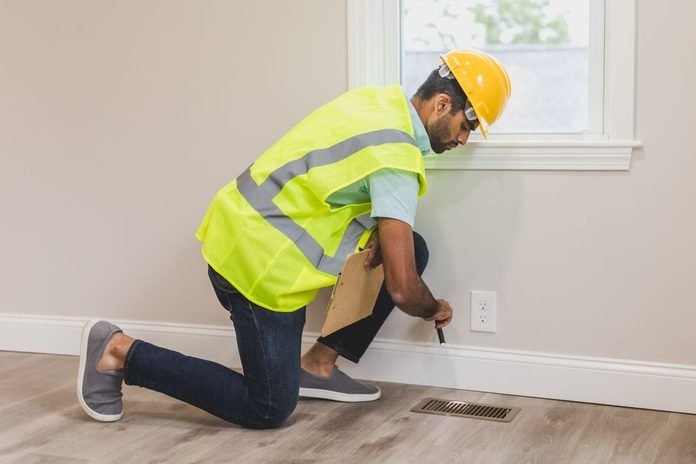
Do a slow walk around your home and check for:
– Torn window screens
– Cracks in exterior caulking
– Gaps under garage doors
– Openings around pipes and cables
– Foundation cracks near soil level
Inside, inspect under sinks, behind appliances, and around attic access points. These are quiet areas where pests move without much interruption.
If you find signs like droppings, gnaw marks, shed wings, or nesting debris, don’t brush it off. Early action matters. If you’re looking for professionals who specialize in pest control Twin Falls has several local service providers who can help identify, treat, and prevent infestations of common pests such as ants, rodents, spiders, and termites in residential and commercial properties.
Know What Attracts Pests to Your Home
Pests are opportunists. If your home offers food, water, and shelter, they tend to treat it like a standing invitation. Crumbs under the toaster, pet food left out overnight, damp crawl spaces, and overgrown shrubs all make your place more appealing than you’d like.
In Twin Falls, common intruders can include ants, spiders, earwigs, rodents, and wasps. Seasonal shifts matter too. When temperatures climb, insects become more active. When it cools down, rodents start scouting for warmth.
Pay attention to the less obvious attractors:
– Cardboard boxes stored in garages
– Leaky outdoor spigots
– Trash cans without tight lids
– Firewood stacked against the house
– Dense mulch pressed up to the foundation
Pest prevention starts with knowing what you’re accidentally offering. Your home should feel welcoming to you, not to six-legged freeloaders.
Keep Moisture Under Control Before It Turns Into a Magnet
Water is a major driver of pest activity. Even if your home is spotless, moisture can attract insects and rodents fast. Cockroaches, silverfish, ants, and many other pests are drawn to damp, dark spaces where they can hide and breed undisturbed.
Your high-risk areas usually include bathrooms, basements, laundry rooms, crawl spaces, and the space under kitchen sinks. Outdoors, poor drainage can create trouble close to your foundation.
A few practical ways to cut down moisture include:
– Fix dripping faucets and leaking pipes quickly
– Use exhaust fans during showers
– Clean gutters so water drains properly
– Check sprinkler systems for overspray near walls
– Store items off basement floors when possible
If a room smells musty, don’t ignore it. That odor often signals a moisture issue before visible damage appears. Pests are excellent at finding those hidden pockets. They’re efficient, persistent, and unfortunately not paying for inspections.
Yard Maintenance Plays a Bigger Role Than Most People Think
Your yard can either buffer your home from pests or funnel them right to the door. Trimmed landscaping and smart outdoor storage reduce hiding places and travel routes for insects and rodents.
Start with the perimeter. Bushes and tree branches shouldn’t rest against siding or roofing. Those contact points give pests a direct path indoors. Tall grass, leaf piles, and cluttered corners also create ideal cover.
Keep these outdoor habits in mind:
– Trim shrubs several inches away from the house
– Move firewood at least 20 feet from the structure if possible
– Remove standing water from pots, toys, and buckets
– Clean up fallen fruit from trees quickly
– Avoid piling mulch too high near the foundation
Outdoor lighting can also attract insects at night, especially near entrances. Warm-toned bulbs may help reduce the bug traffic compared with bright white lights. It’s a small switch, but small adjustments often stack up into real results.
Store Food and Household Items More Carefully
You can’t out-clean every pest issue, but food storage makes a noticeable difference. Many infestations gain traction because snacks, grains, or pet food are easy to access. Pantry moths, ants, and rodents aren’t picky diners.
Use sealed containers for dry goods instead of relying on thin original packaging. Wipe shelves regularly, and don’t forget the odd corners where crumbs collect. Under the stove and behind the refrigerator are classic trouble spots.
A few smart storage habits:
– Keep cereal, flour, rice, and pet food in hard containers
– Take garbage out regularly, especially food waste
– Rinse recyclables before placing them in bins
– Avoid storing paper goods and fabrics in damp garages
– Rotate old pantry items before they sit untouched for months
Clutter matters too. Stacks of paper, unused boxes, and crowded storage rooms give pests places to hide. The more packed a space feels, the harder it is to spot activity before it spreads.
Know When DIY Stops Being Enough
Store-bought sprays and traps can help with minor, isolated problems. They’re often useful for monitoring activity or reducing a few visible pests. Trouble starts when people treat the symptom and miss the nest, entry point, or breeding area.
If you’re seeing repeated ant trails, hearing scratching in walls, spotting wasps around eaves, or finding spiders in multiple rooms, the issue may be larger than it looks. Pest activity tends to work like bad gossip: if you’re hearing a little, there’s usually more behind the scenes.
Professional help is often worth considering when:
– Pests keep returning after treatment
– You find signs in more than one area
– The infestation involves rodents or stinging insects
– You’re unsure which pest you’re dealing with
– You want prevention instead of repeated reaction
A solid pest plan doesn’t rely on panic purchases from the hardware aisle. It combines inspection, targeted treatment, and long-term prevention that fits your home and local conditions.
Build a Prevention Routine You Can Actually Stick With
The best pest strategy is consistency, not perfection. You don’t need a military-grade checklist taped to the fridge. You need a manageable routine that catches problems early and keeps your home less attractive to unwanted visitors.
Try a simple monthly reset:
– Inspect doors, windows, and exterior gaps
– Check under sinks for leaks or dampness
– Vacuum pantry and kitchen corners
– Walk the yard and trim back overgrowth
– Clear garage clutter and sweep debris
Each season, do a deeper review of your attic, crawl space, foundation, and storage areas. If you’ve had pest issues before, staying ahead of recurrence saves time, money, and frustration.
A comfortable home isn’t only about paint colors, furniture, or curb appeal. It’s also about feeling confident that your space is clean, protected, and not secretly hosting a bug convention behind the drywall. Prevention may look boring on the surface, but it delivers the kind of peace and comfort that every home needs.